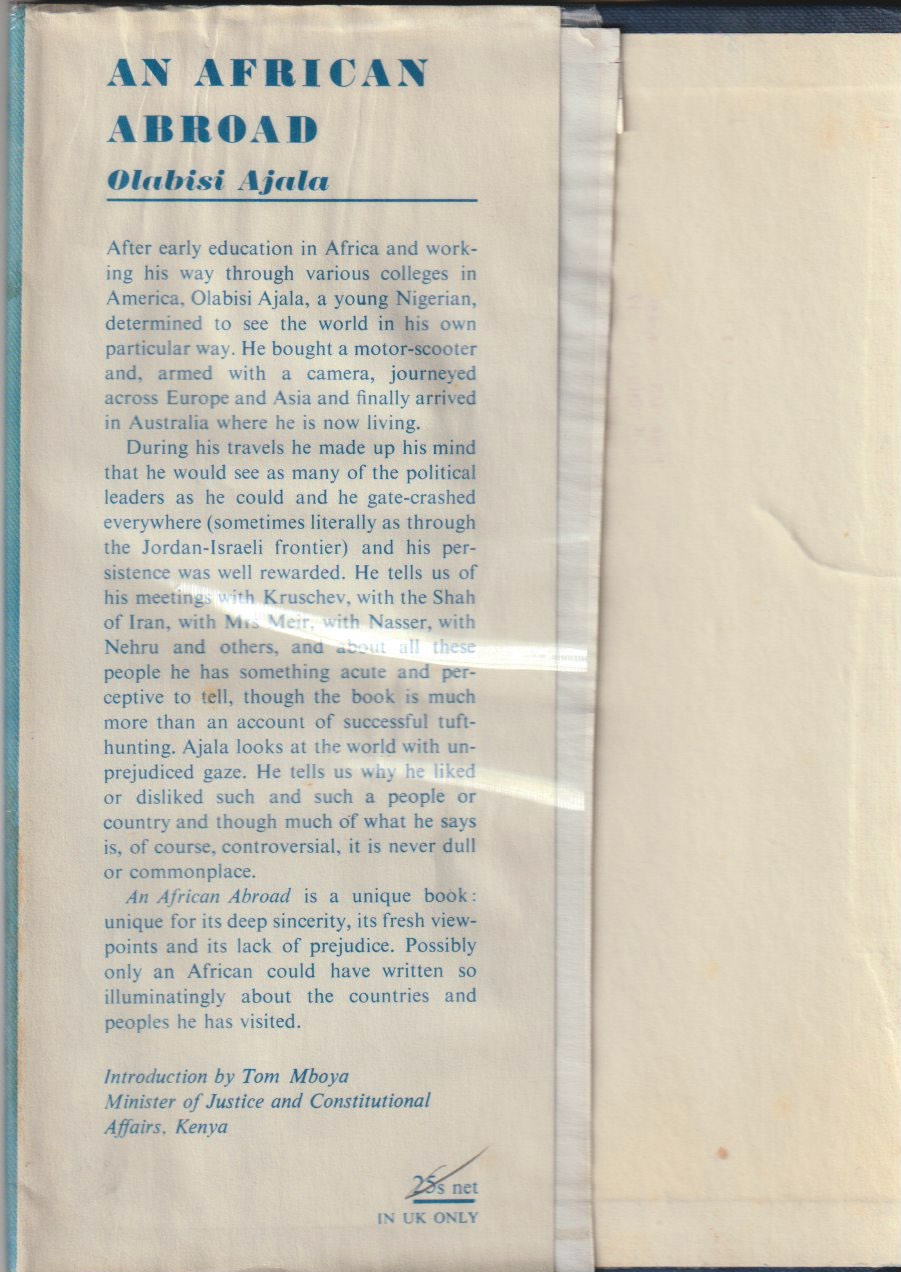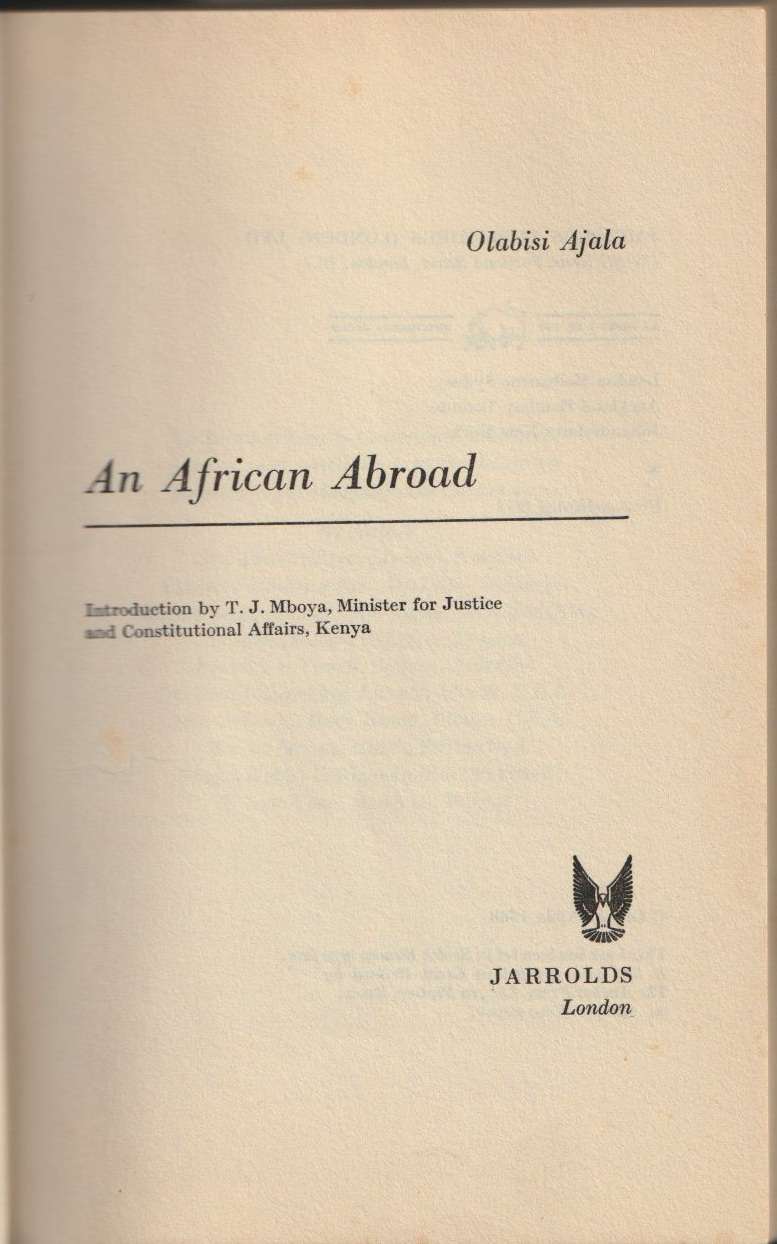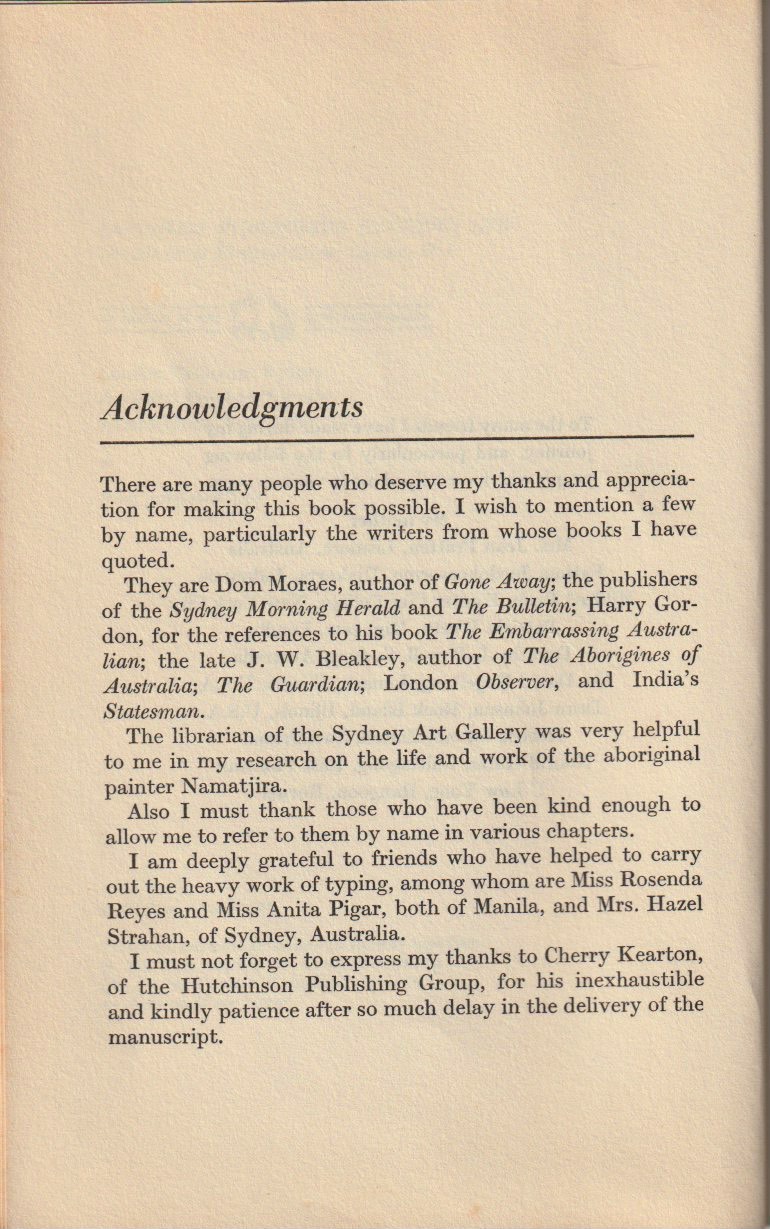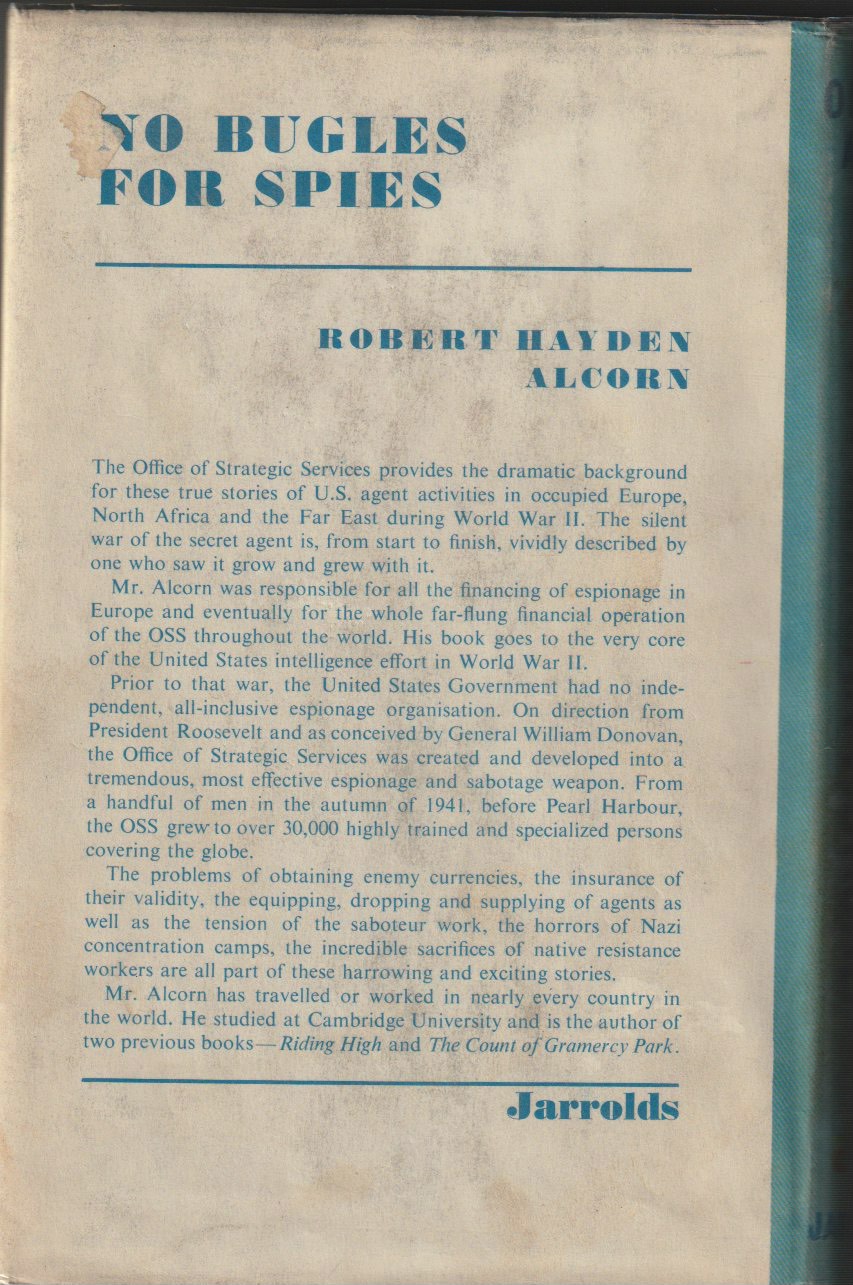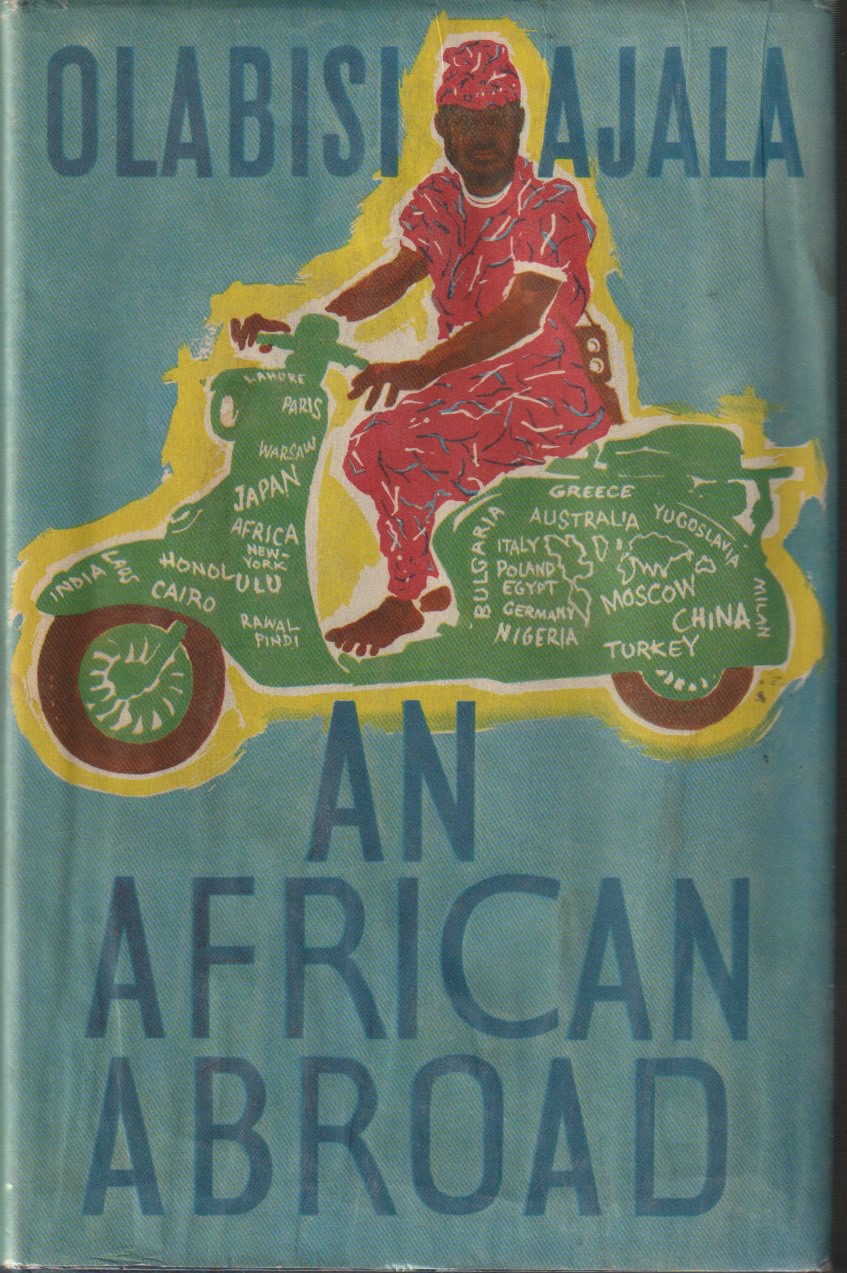
Àjàlá’s account of travelling the world by motor scooter, published in London by Jarrolds in 1963. The jacket sets out the premise plainly: after an early education in Africa and working his way through colleges in America, a young Nigerian bought a scooter, took a camera, and set off across Europe and Asia.
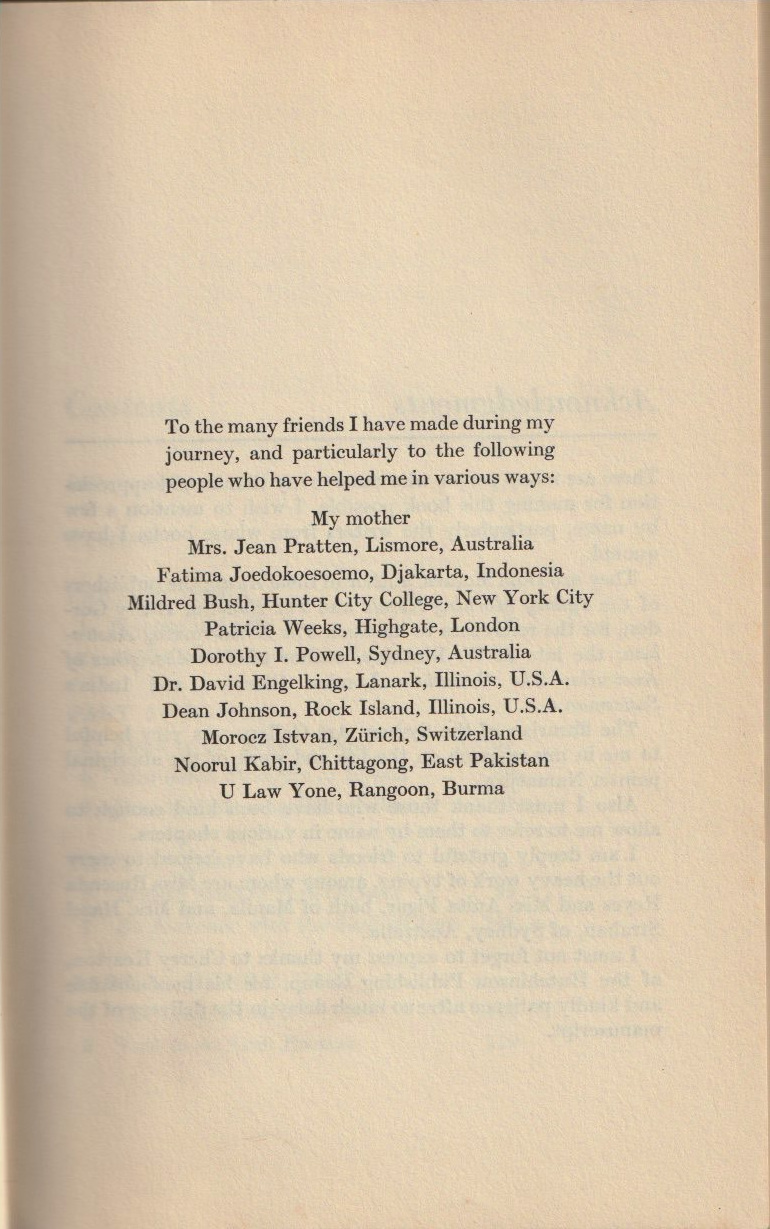
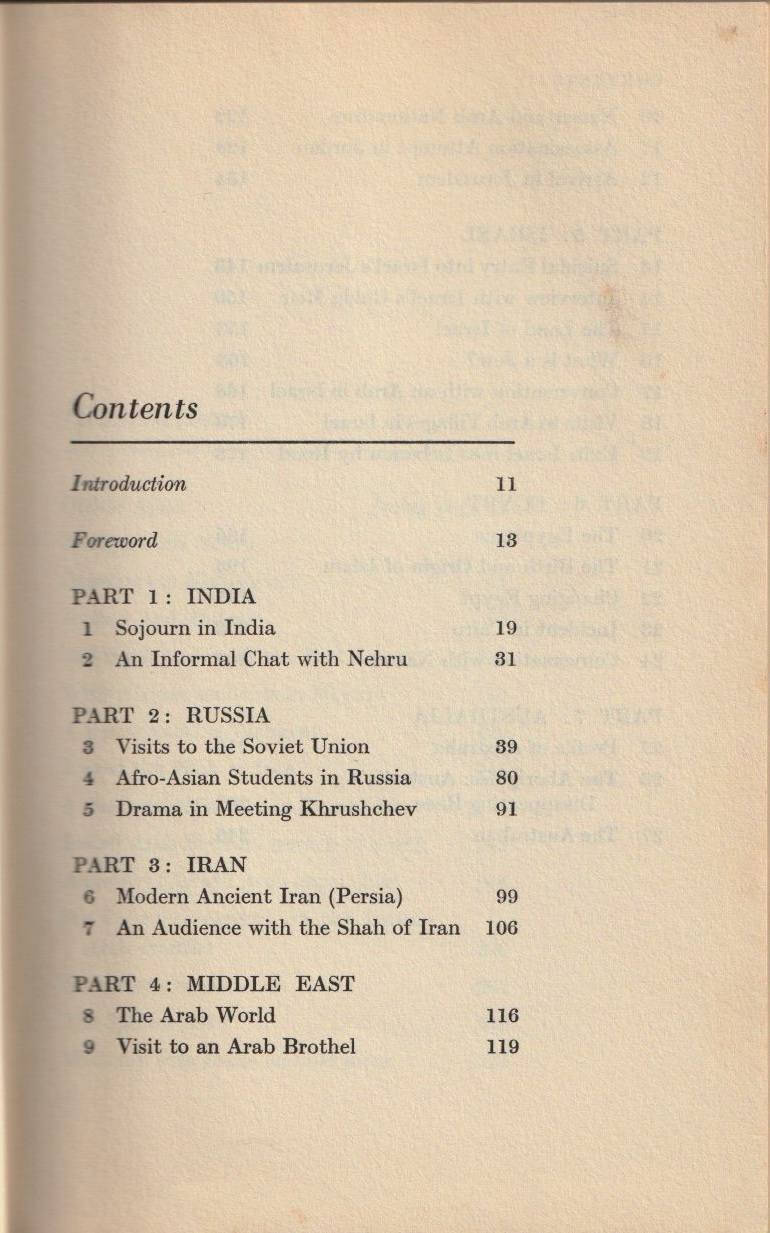
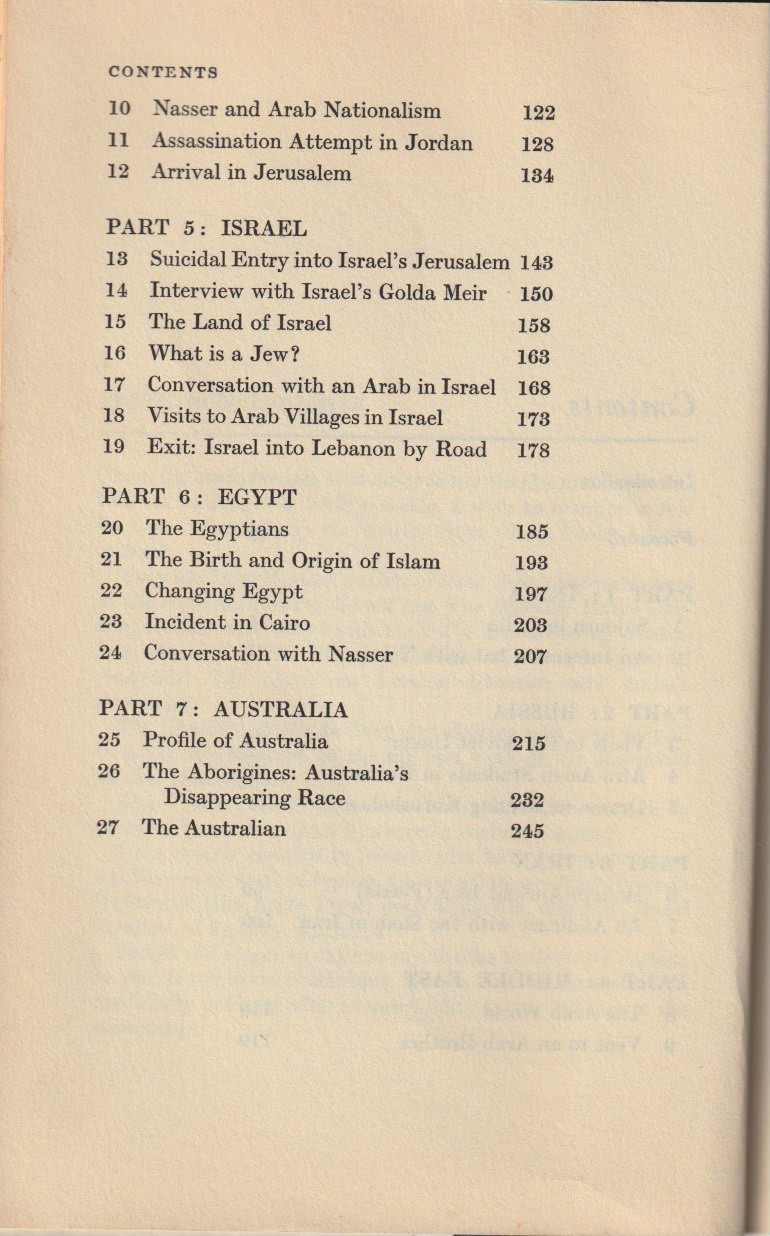
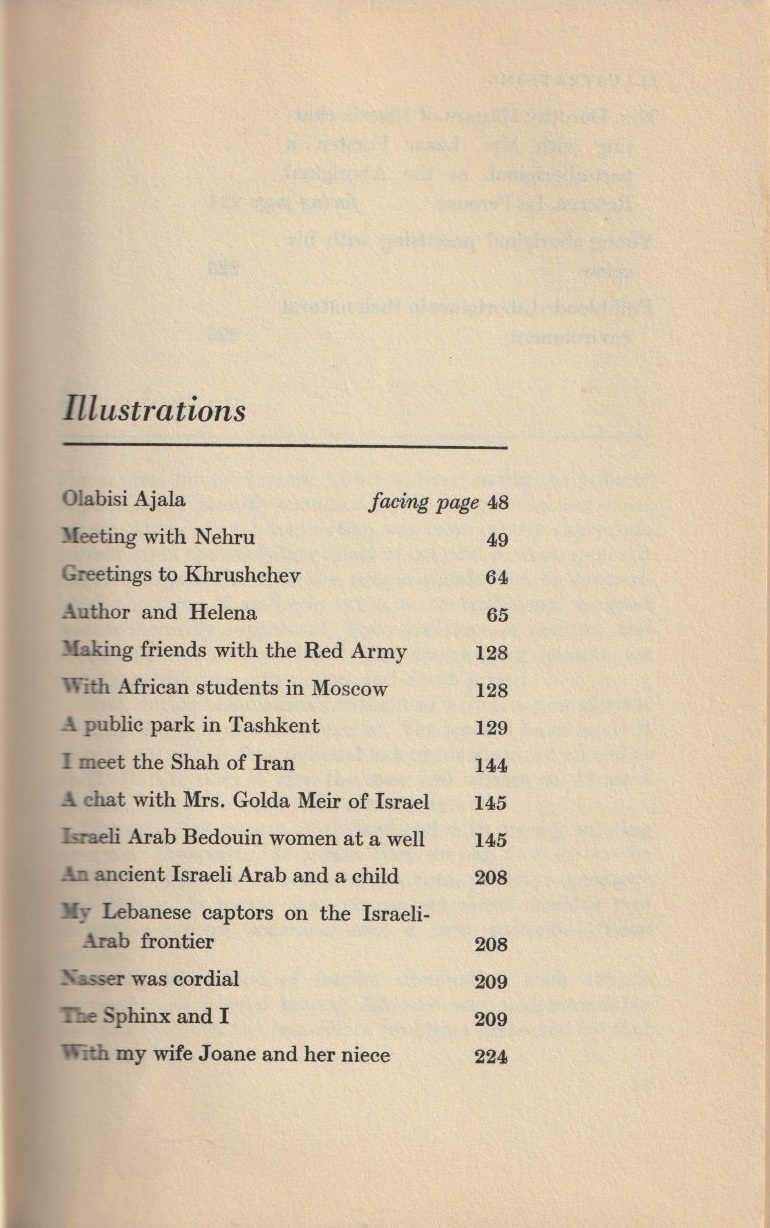
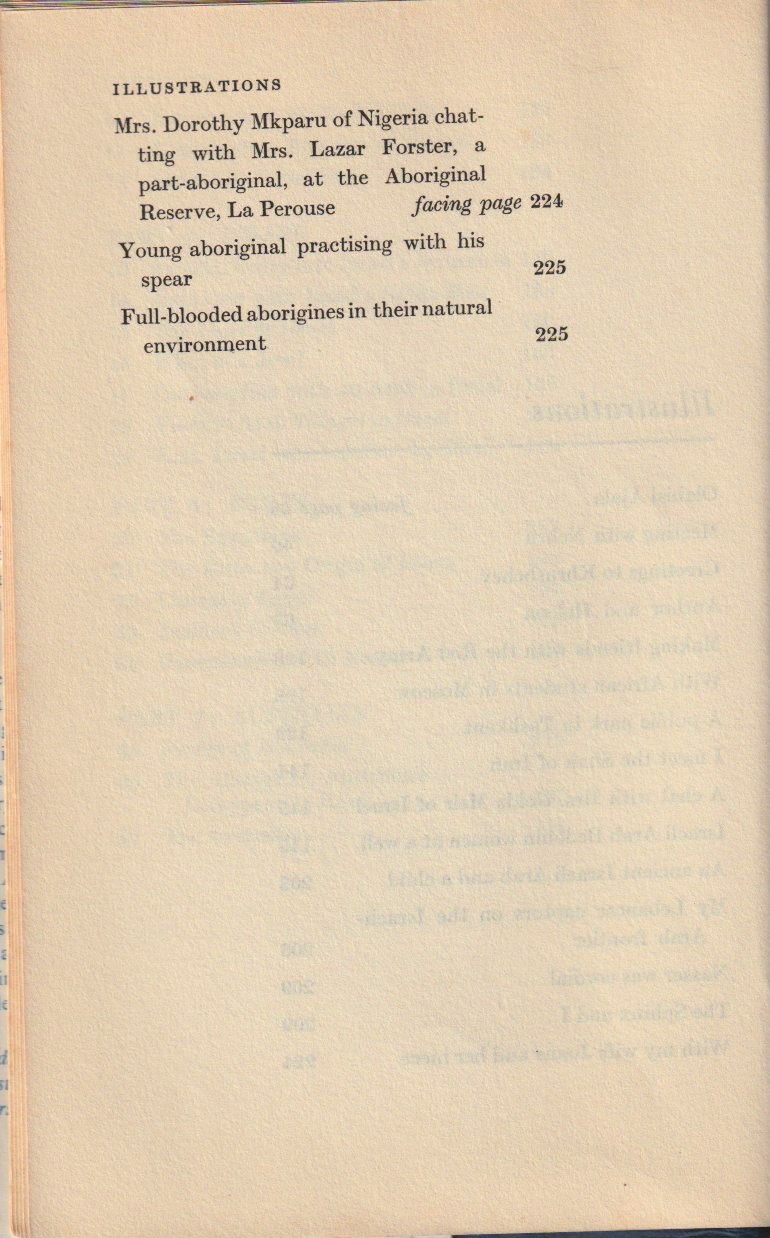
What he came back with was not a travelogue so much as a series of audiences. The contents run to seven parts — India, Russia, Iran, the Middle East, Israel, Egypt and Australia — and the chapter titles read like an improbable diary: an informal chat with Nehru, meeting Khrushchev, an audience with the Shah of Iran, an interview with Golda Meir, a conversation with Nasser. Also an assassination attempt in Jordan, a suicidal entry into Israel’s Jerusalem, and a visit to an Arab brothel. The Australian section closes on the Aborigines, whom he calls Australia’s disappearing race, and his acknowledgments record research at the Sydney Art Gallery on the painter Albert Namatjira.
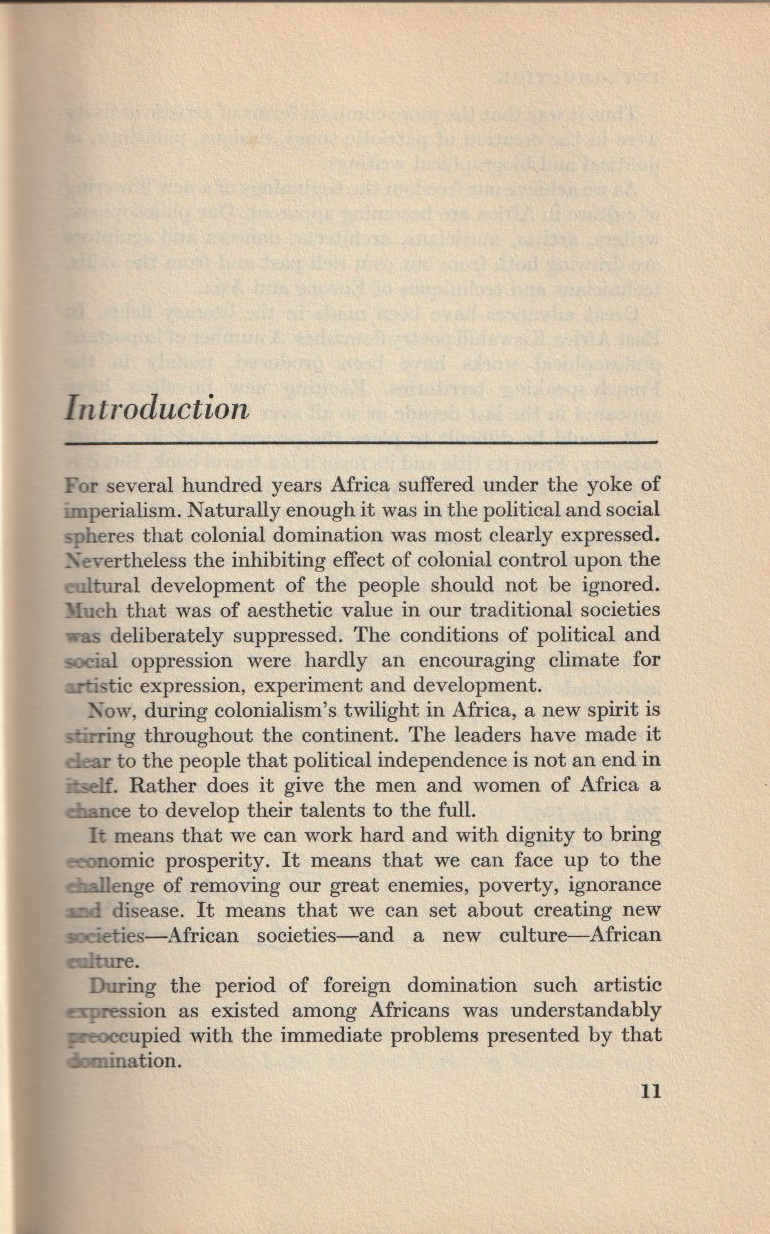
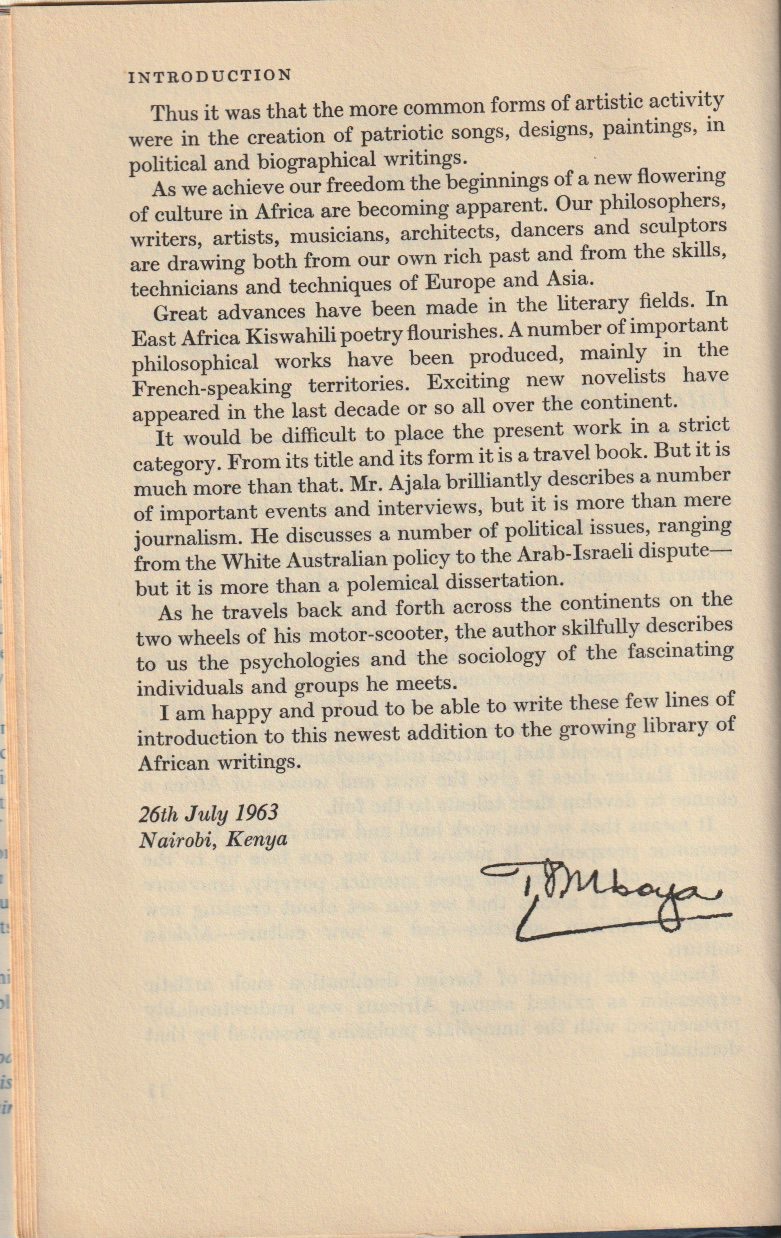
The introduction is by Tom Mboya, then Kenya’s Minister for Justice and Constitutional Affairs, and it is a document in its own right. Writing during what he calls colonialism’s twilight, Mboya argues that colonial control damaged cultural life as much as political life, that independence is not an end in itself, and that a new flowering is already visible — Kiswahili poetry in East Africa, philosophical work in the French-speaking territories, exciting new novelists across the continent in the previous decade. He is describing, in 1963, the literature this collection is made of.
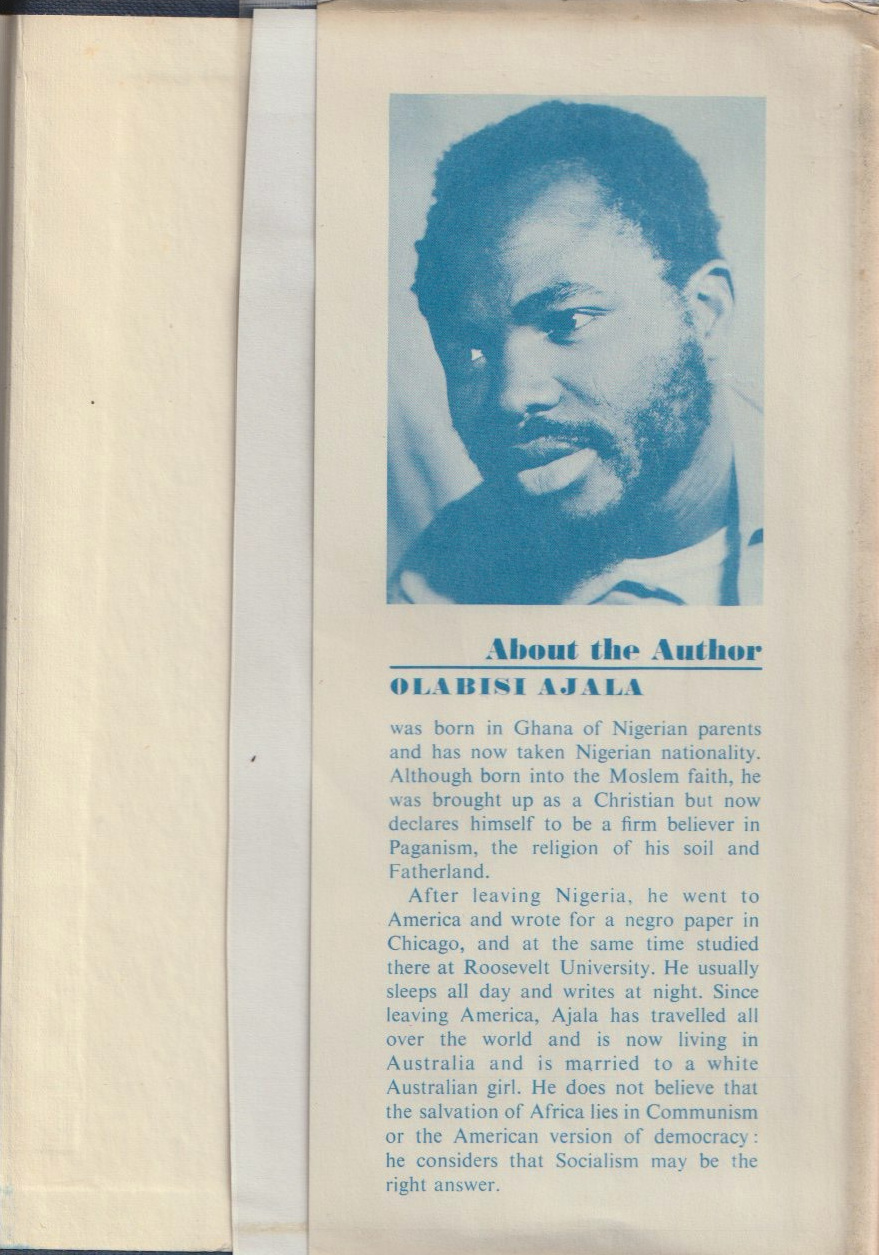
The author note is the most disarming page in the book. Àjàlá was born in Ghana of Nigerian parents and had taken Nigerian nationality; born into the Moslem faith, raised Christian, and by his own declaration a firm believer in Paganism, the religion of his soil. He wrote for a Negro paper in Chicago while studying at Roosevelt University. He usually sleeps all day and writes at night. At the time of publication he was living in Australia, married to an Australian woman, and did not believe Africa’s salvation lay in Communism or in the American version of democracy.
This book and J. P. Clark’s America, Their America, published the following year and also held here, are discussed together in A Book Collector’s Journal — two Nigerians abroad in the early sixties, both unimpressed, both writing it down.
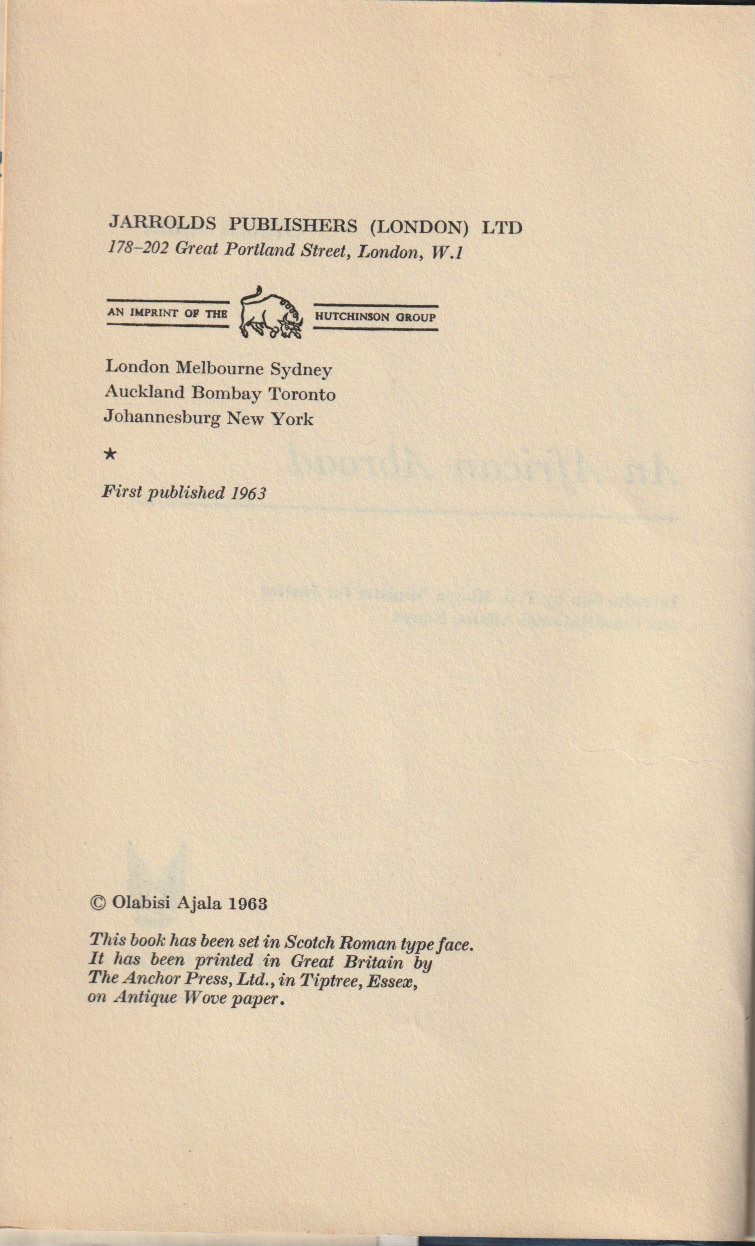
One small thing the imprint page gives away: Jarrolds published from 178–202 Great Portland Street, the same address as Hutchinson, who issued Jagua Nana two years earlier. Jarrolds was part of the Hutchinson group, so two of the books in this collection came out of the same London building.
Out of print, and back. The book vanished from the market within a few years of publication, when Jarrolds ceased trading, and was never reprinted — which is how a title by one of the most widely travelled Nigerians of his generation became almost impossible to find. OlongoAfrica reissued it in 2022, edited with a preface by Kọ́lá Túbọ̀sún, and carrying a new foreword by Joane Àjàlá (née Pratten), the Australian teacher who tracked Àjàlá down after seeing him on the front page of a Sydney newspaper in 1962, married him, and typed and edited the original manuscript from his longhand. Tom Mboya’s 1963 introduction is retained. A Nigerian edition followed from Masobe Books in December 2022, and the book is available again after sixty years. The announcement is here.
That sequence is the clearest argument this collection can make. A first edition sat unread long enough for the work to disappear; the object is what made the recovery possible.
The reissue has been widely reviewed. In Reading Àjàlá in Modern Times (OlongoAfrica, November 2022), Dèjì Tóyè notes that Àjàlá has become a common noun in Nigerian usage — part Don Quixote, part Don Juan — and that the legend has largely obscured the more earnest parts of the legacy. Janet Remmington, in World at their Wheels (Fortunate Traveller, August 2023), reads it beside Kunle Adeyanju’s London to Lagos of 2022 and observes how much harder such a journey would be to make today, the bureaucracy of mobility having only swelled since. Chibueze Darlington Anuonye, in The Childlike Daring of Ọlábísí Àjàlá, Global Citizen (World Literature Today, January 2025), places the travelogue beside Marco Polo and argues for its recognition in the canon of the form. And Toye Oladinni, writing in The Paris Review in March 2025, comes at it through his own Yorùbá lessons and the observation that Àjàlá describes almost every woman he meets as beautiful.