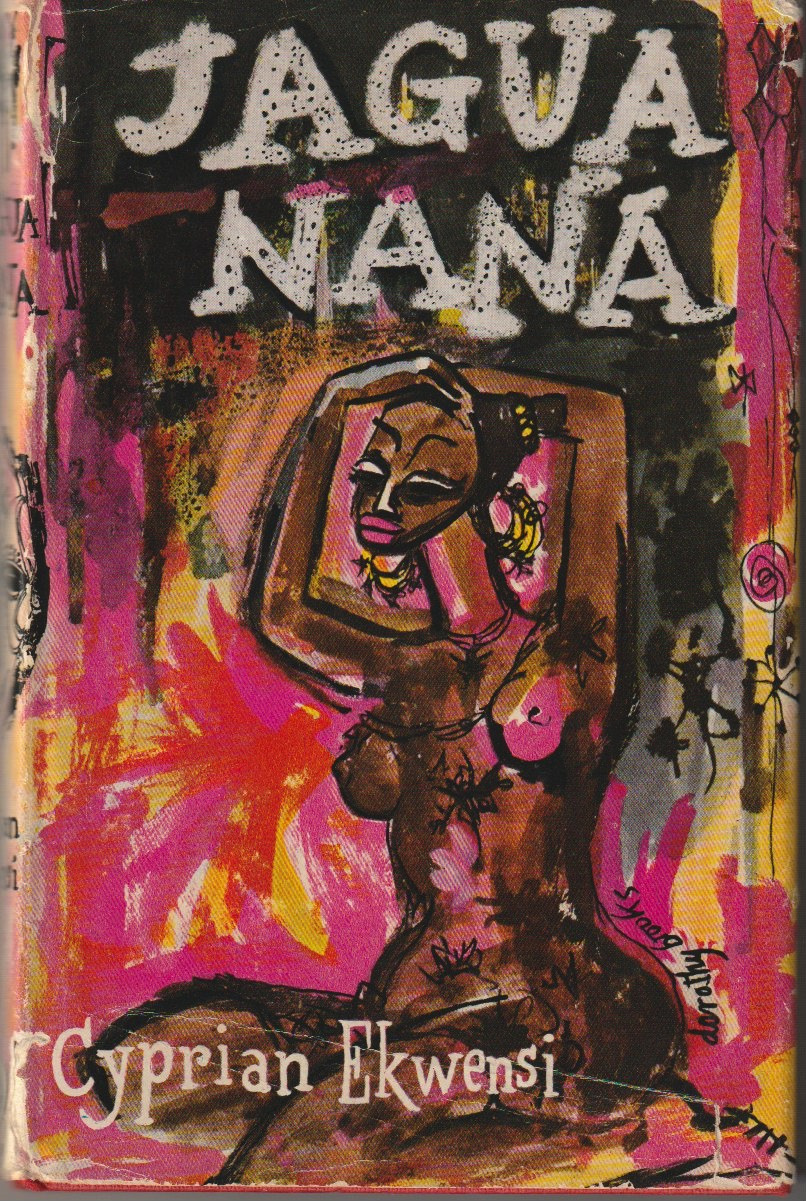
Two books open the collection, and both are already present in the Library in another form.
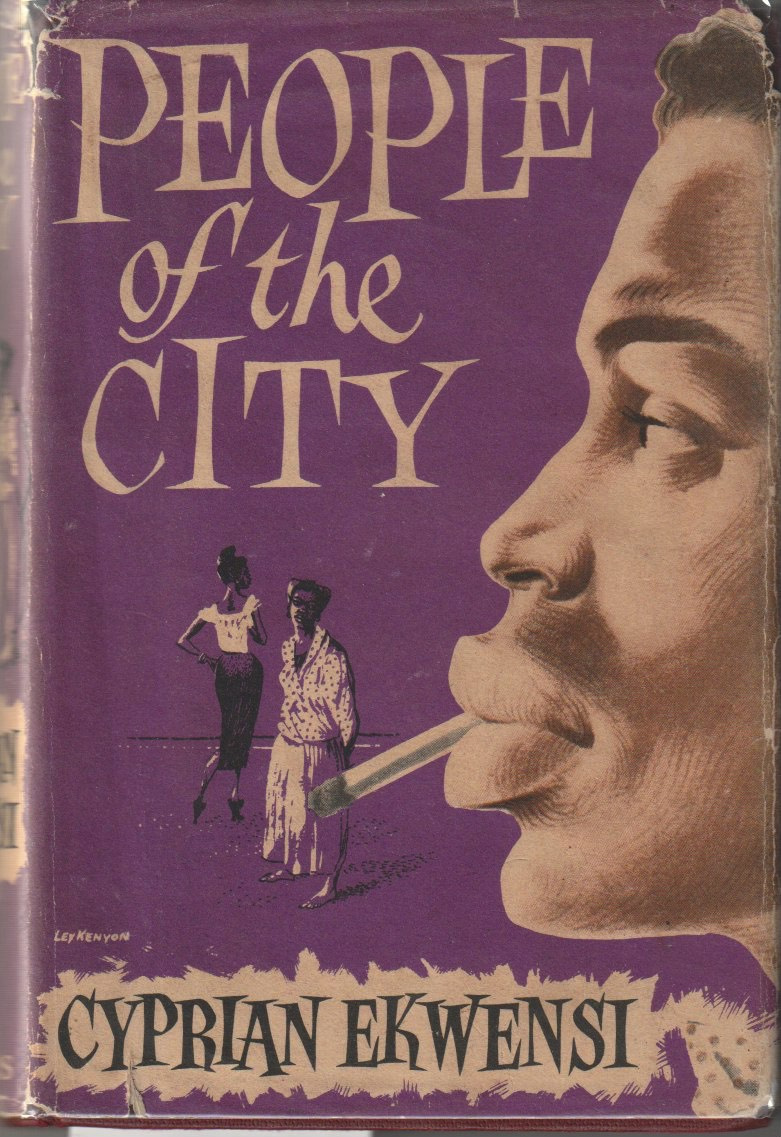
People of the City was published by Andrew Dakers of London in 1954, in the year Cyprian Ekwensi became one of the first West African novelists to appear from a British house. Its jacket introduces him as such. Eight years later Heinemann reissued it as number five in the African Writers Series, and it is that paperback the Library holds in the African Writers Series collection. The Dakers hardback catalogued here is a different book: different publisher, different setting, different apparatus, dedicated to a BBC radio programme and printed in Sussex, with a jacket that places Ekwensi beside Sartre on the publisher's fiction list.
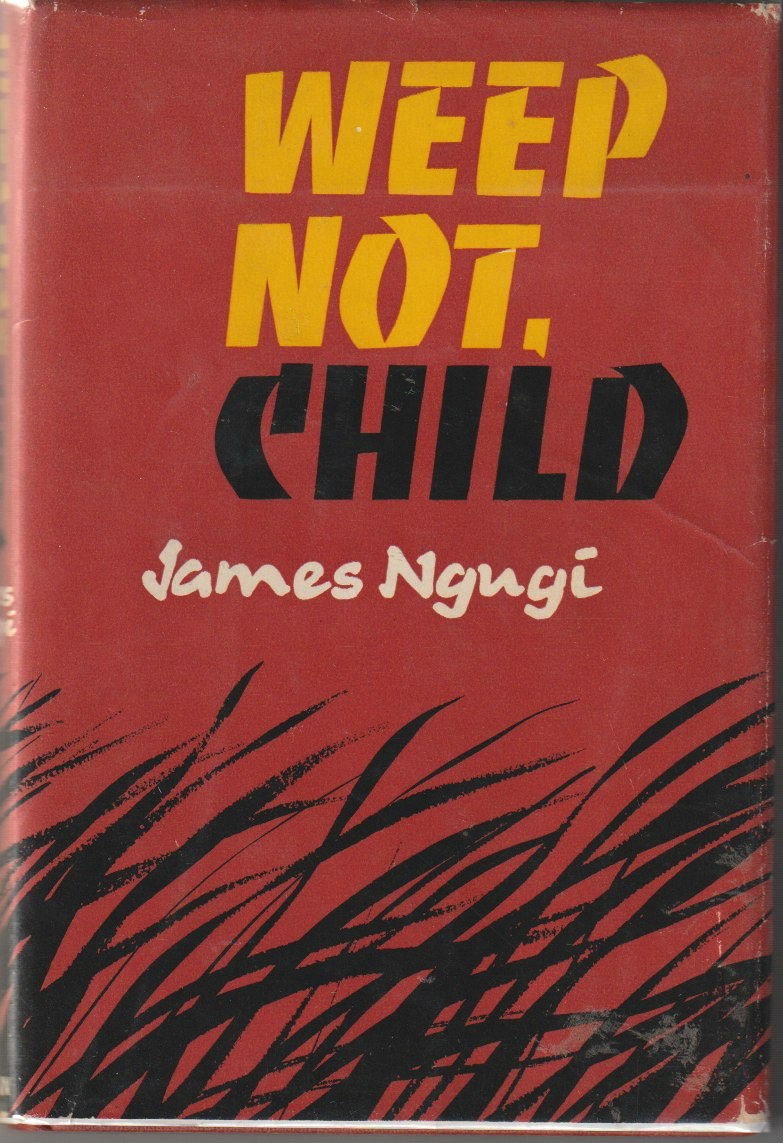
Weep Not, Child came from Heinemann in London in 1964 under the name James Ngugi — the first novel in English by an East African writer. The author note describes a young man who has just left Makerere, with a second novel already prize-winning and announced for the following year. The Library's African Writers Series copy of the same title is the series paperback, numbered seven.
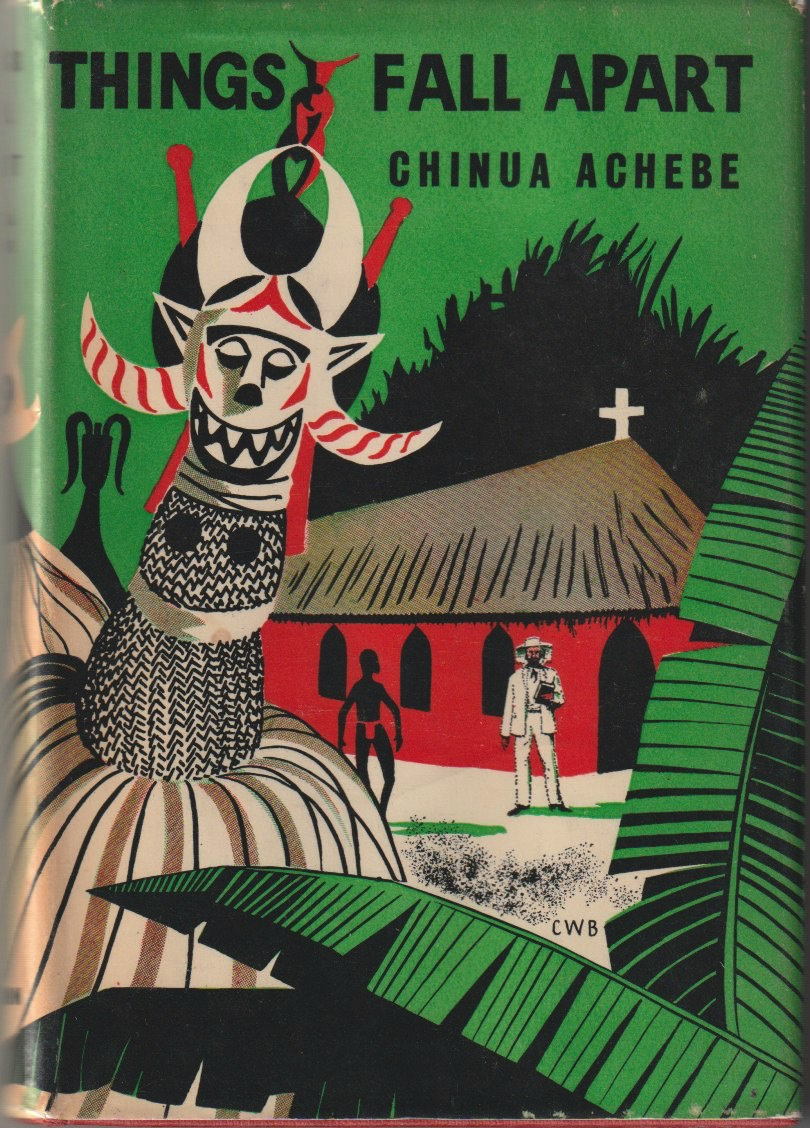
Things Fall Apart is the William Heinemann hardback, illustrated by Dennis Carabine, its title page carrying the lines from Yeats that named it. The imprint reads “First published 1958 / Reprinted 1962”, making this the second hardback impression — issued in the same year Heinemann launched the African Writers Series with the paperback numbered one. The two 1962 books are easy to confuse and entirely different objects: one bound in boards with the original 1958 jacket copy and an author note still describing Achebe as twenty-eight, the other a paperback priced for African schools.
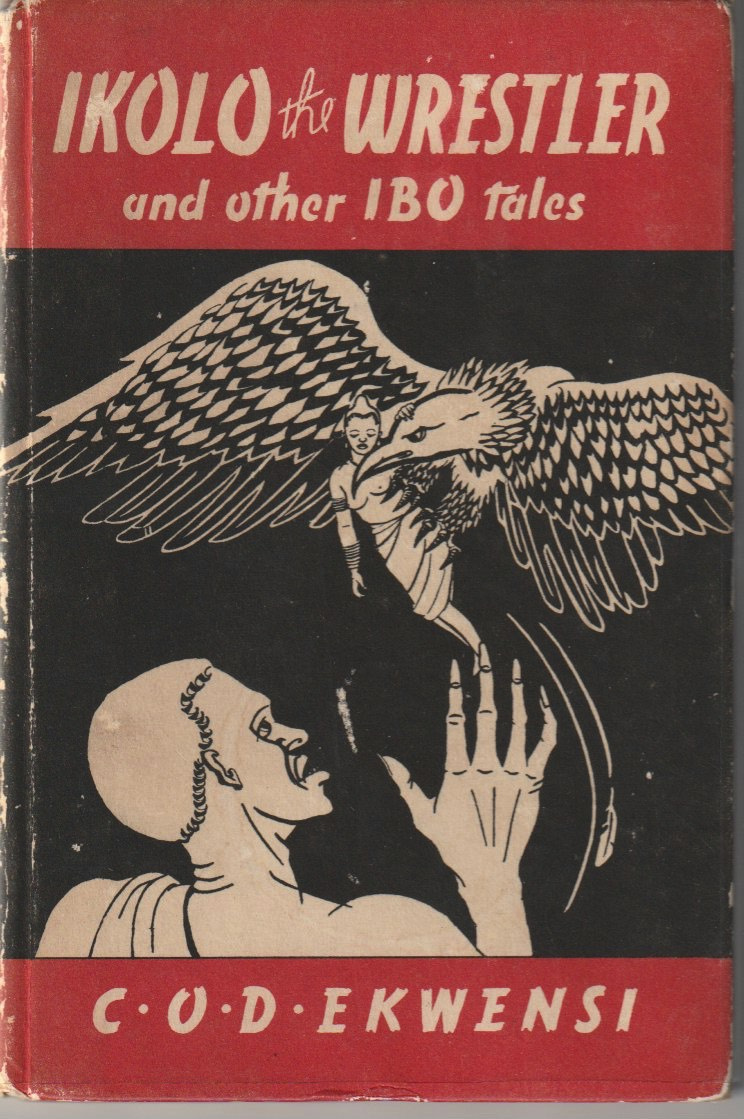
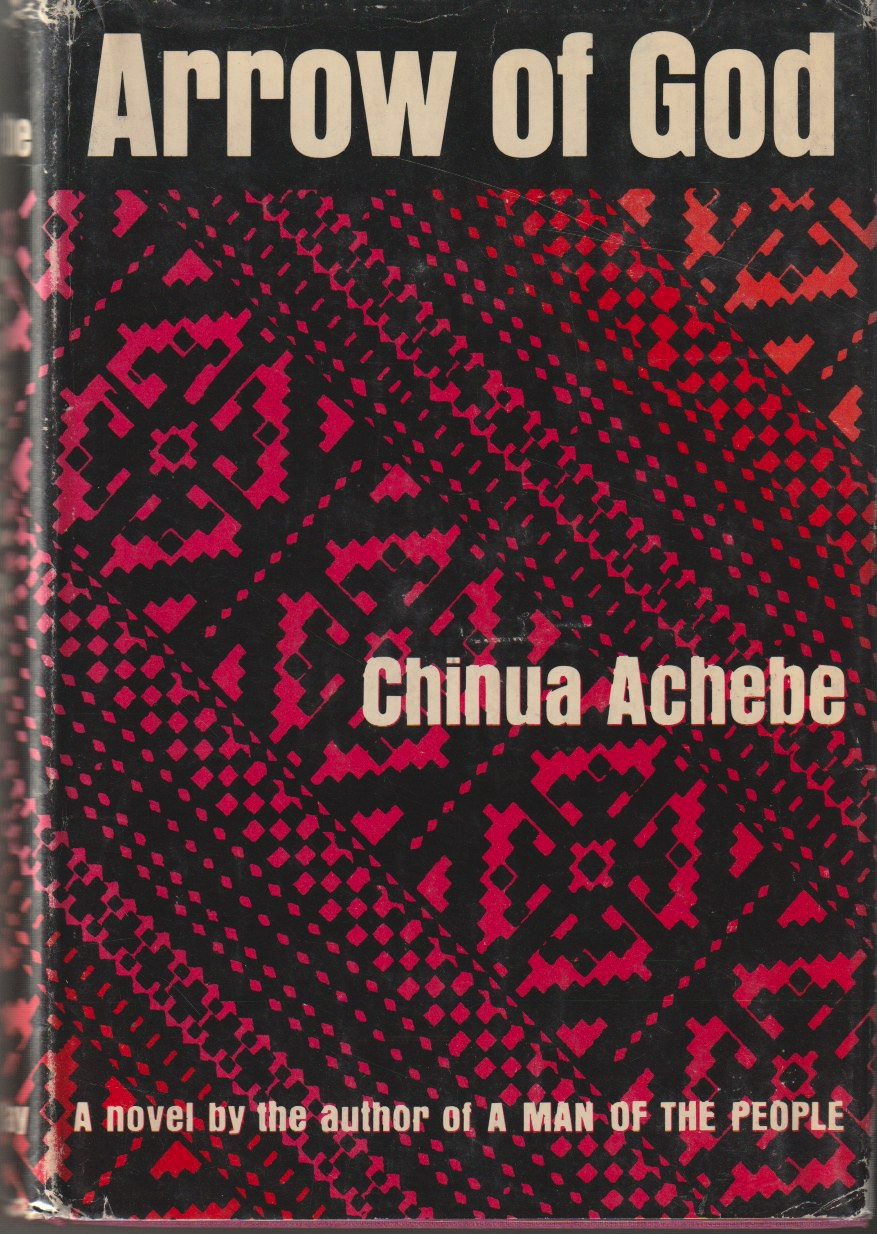
Two further items widen the frame. Ikolo the Wrestler and Other Ibo Tales, published by Thomas Nelson and credited to C. O. D. Ekwensi, is the earliest thing here and the only one that is not a novel — twenty-four folk tales, with an author’s note explaining that they were told only at night and that the choruses could not be translated. And Arrow of God appears in its first American edition, issued by the John Day Company of New York in 1967, three years after the London first, its copyright line still reading 1964.
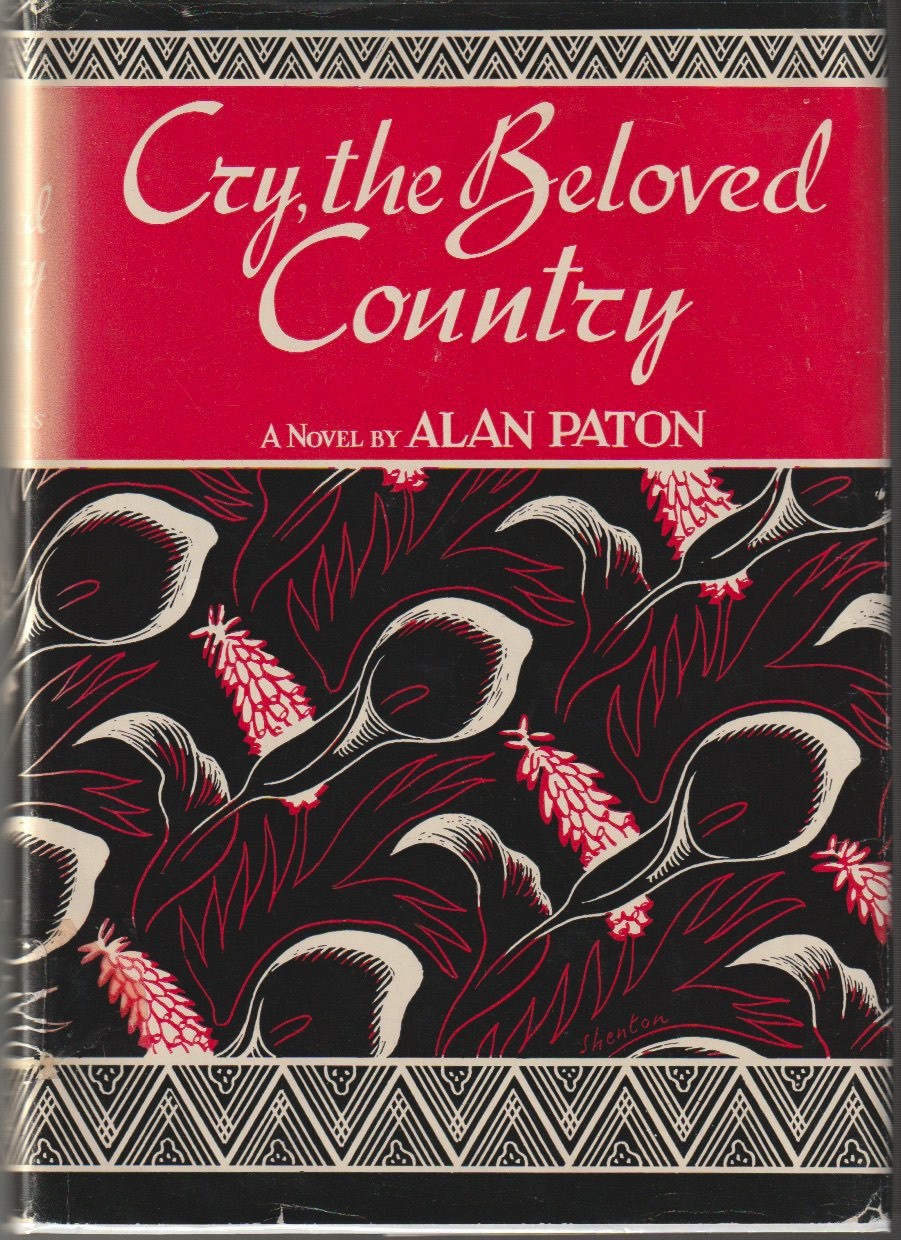
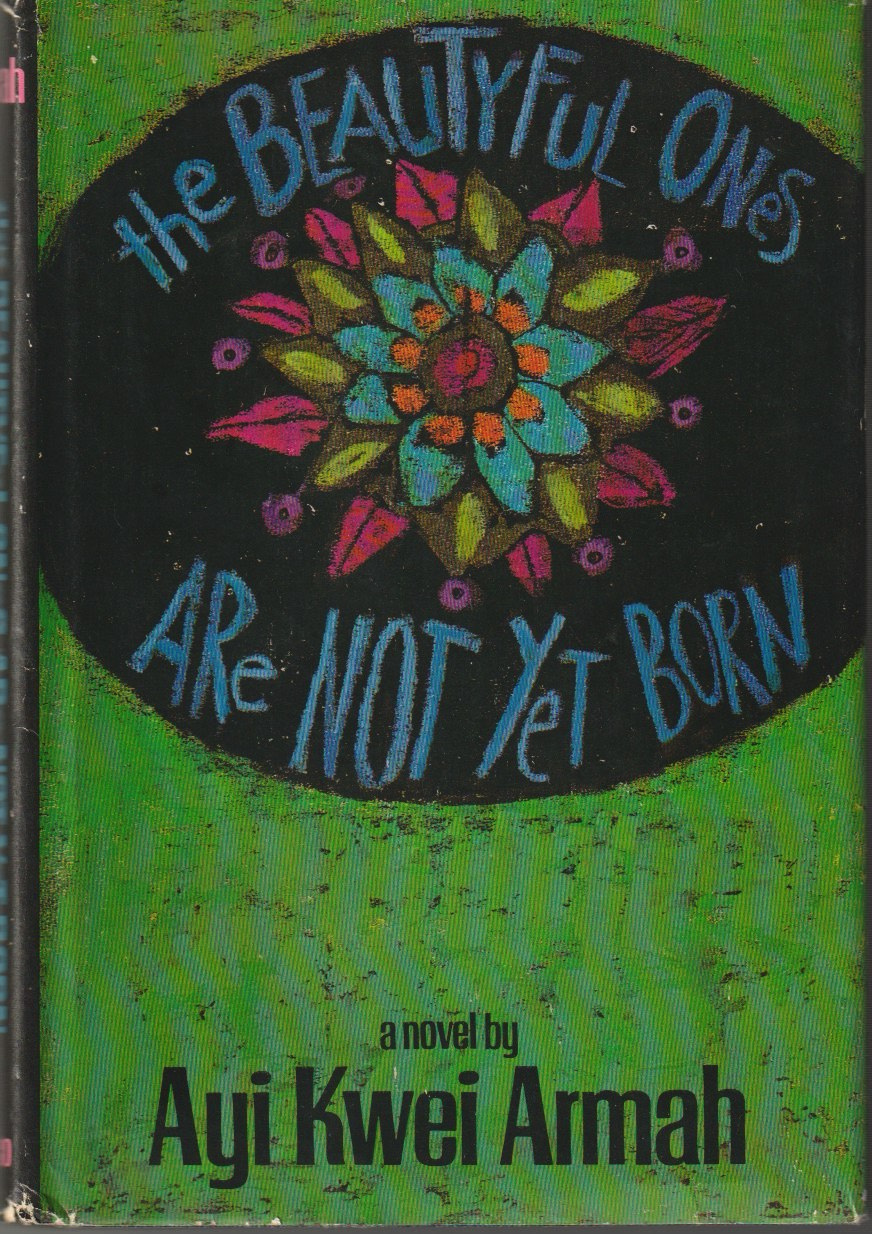
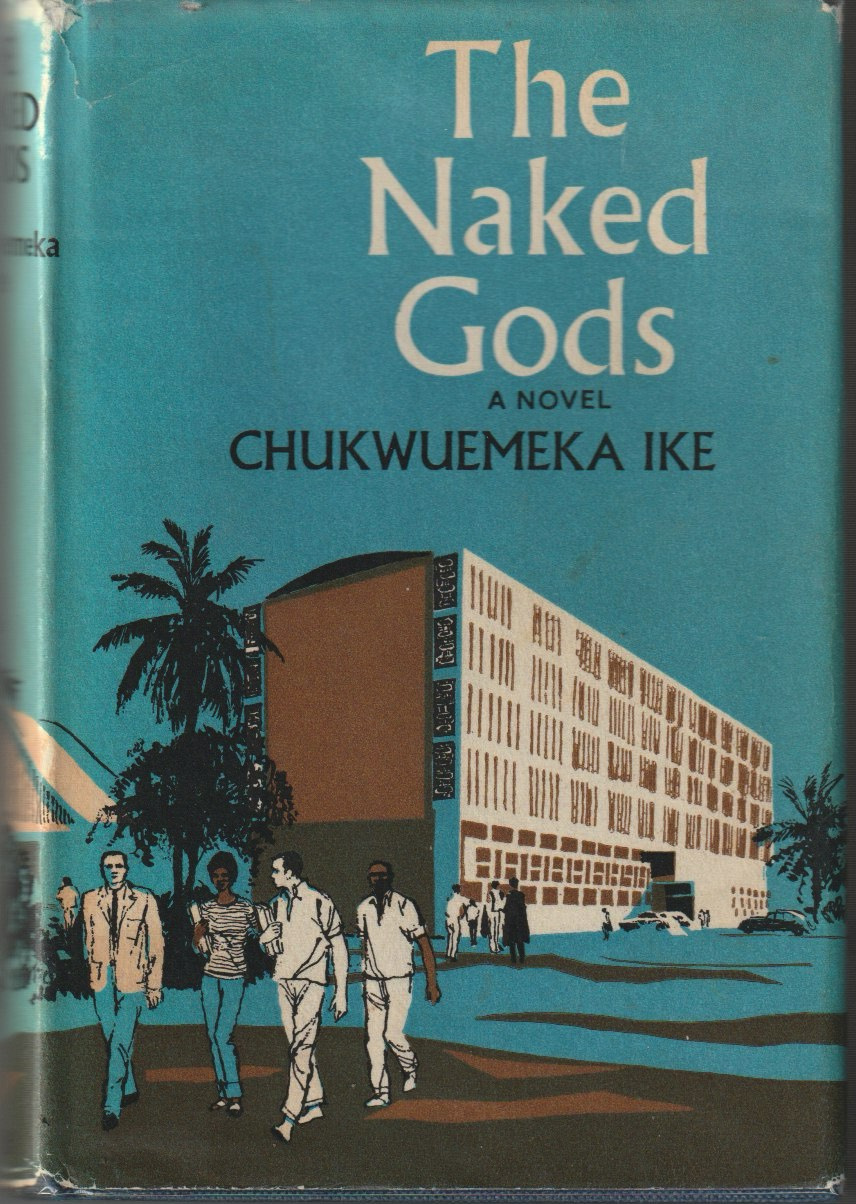
The collection now reaches beyond West Africa and beyond the novel. Cry, the Beloved Country brings in the far south, and with it the only white author here writing about the country that produced apartheid; the copy carries a second author’s note added eleven years after the first, quietly recording what had changed. The Beautyful Ones Are Not Yet Born arrives in its American dress, its jacket introducing Armah to Boston readers by way of Groton and Harvard. And The Naked Gods is Chukwuemeka Ike writing about the university he worked in, from a London house, with a disclaimer insisting that no such campus exists.
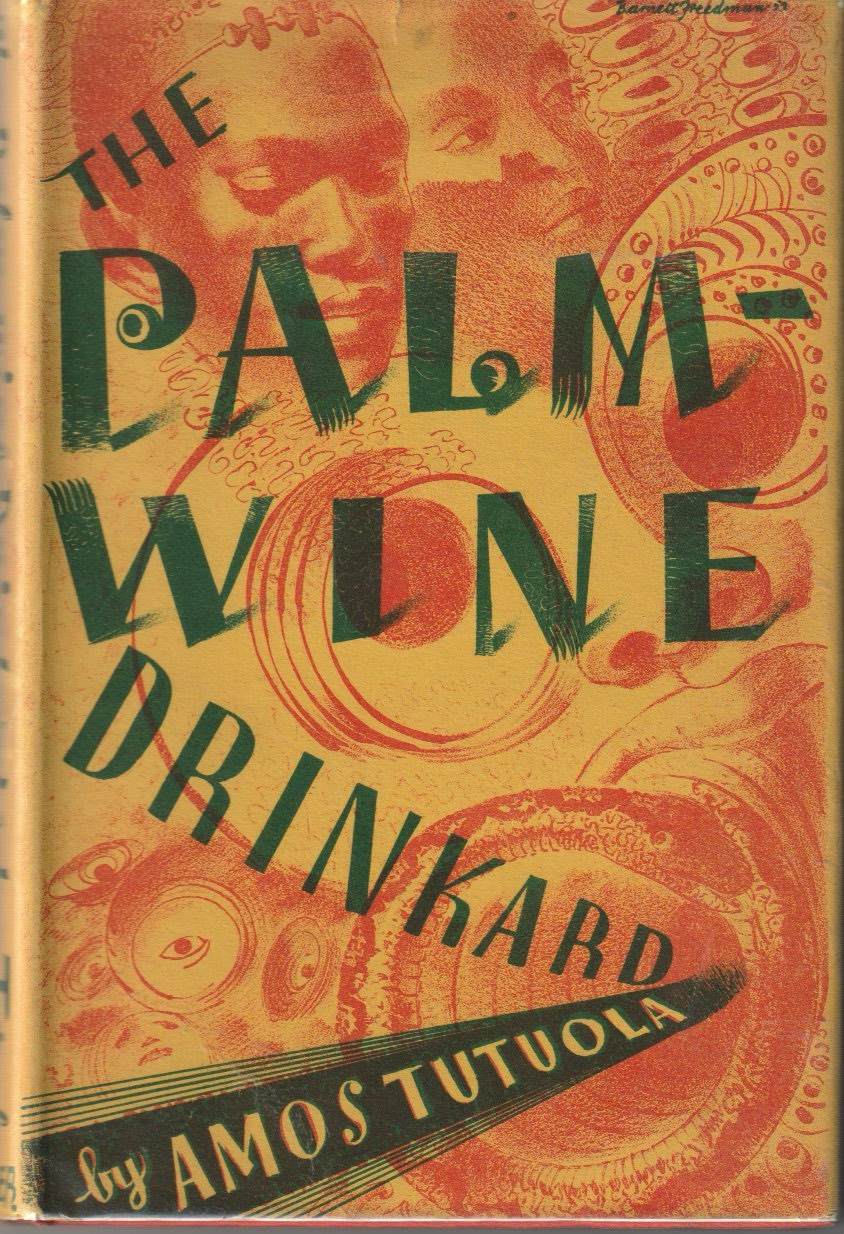
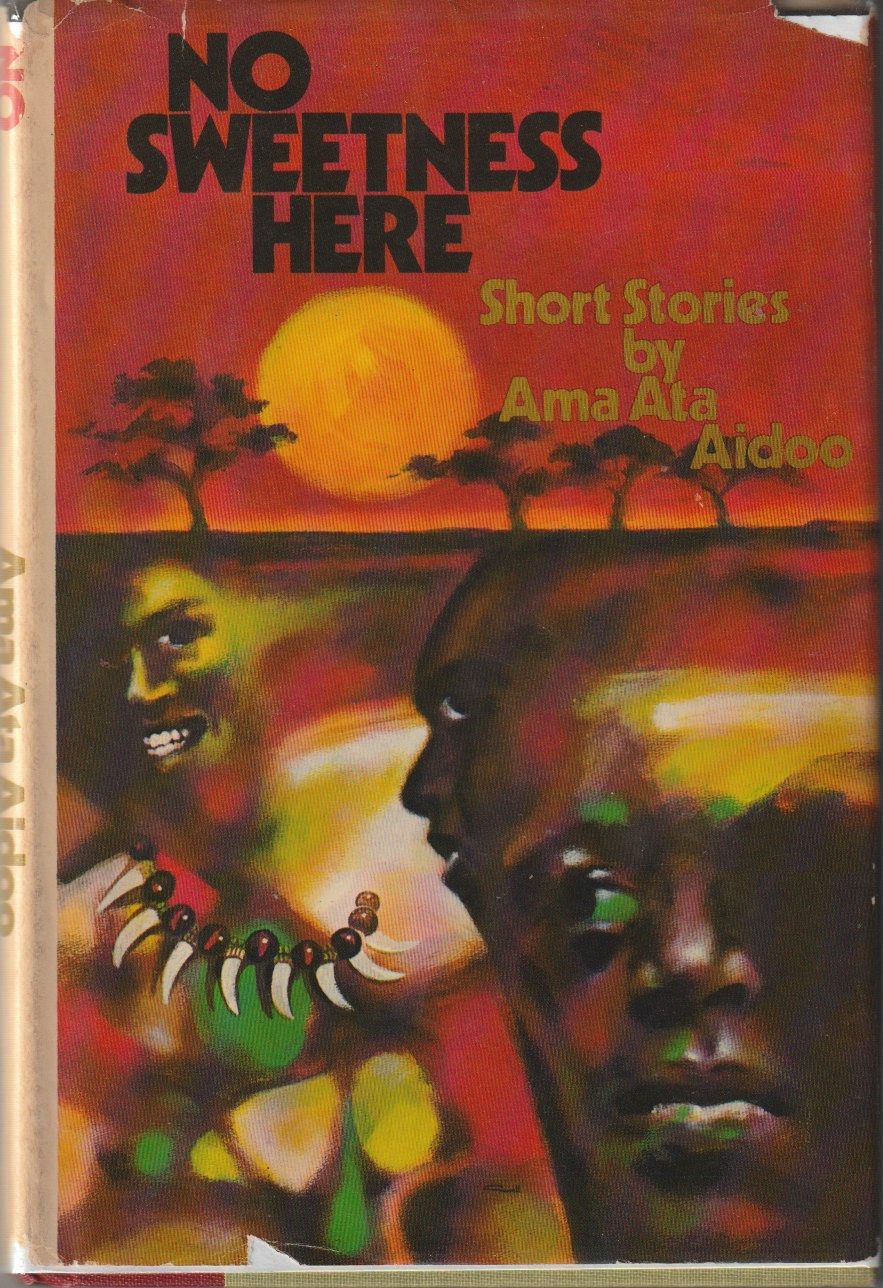
Two more mark the ends of the range. The Palm-Wine Drinkard came from Faber and Faber in 1952 — the house of Eliot, publishing a Nigerian storyteller whose jacket copy promised London readers adventures “one would have supposed to be indescribable”. And No Sweetness Here, Ama Ata Aidoo’s first collection of stories, appears in its American edition of 1971, a year after Longman published it in London.
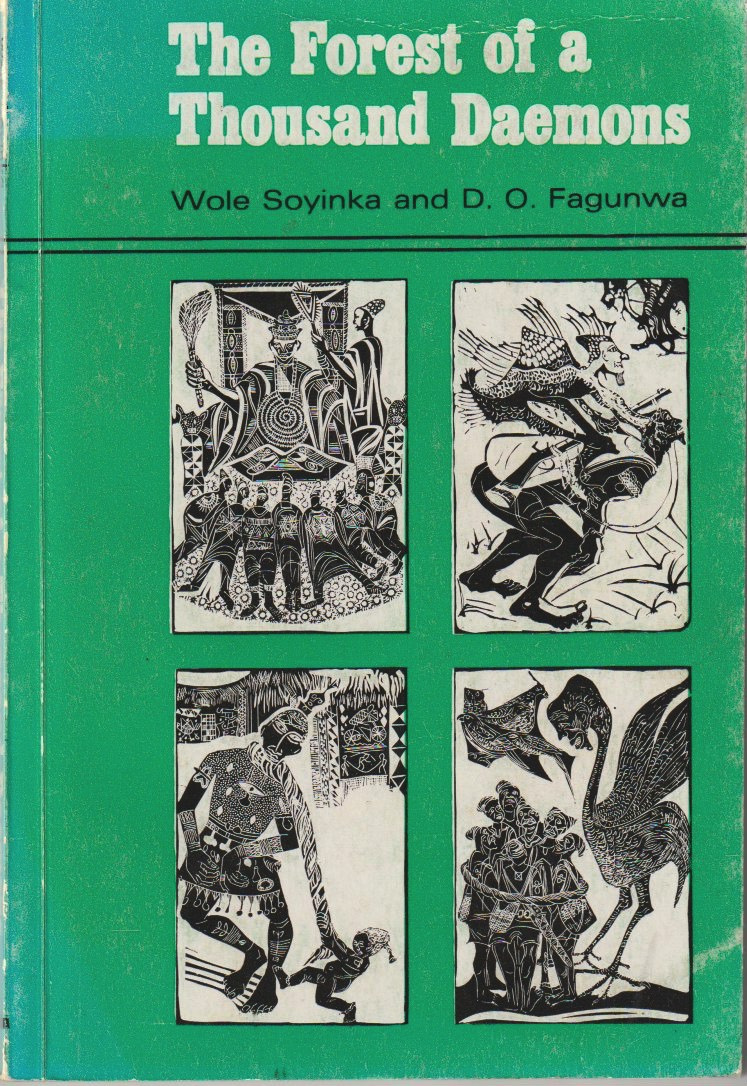
One item now stands at the centre of the argument rather than beside it. Ṣóyínká’s translation of Fágúnwà’s Ògbójú Ọdẹ Nínú Igbó Irúnmalẹ̀, published by Nelson in 1968 as The Forest of a Thousand Daemons, gives Bruce Onobrakpeya equal billing on the title page as its illustrator. Fágúnwà has been reprinted many times since. Onobrakpeya’s work appears on none of those editions. The words survived the reprinting; the pictures did not, and this is where they still are.
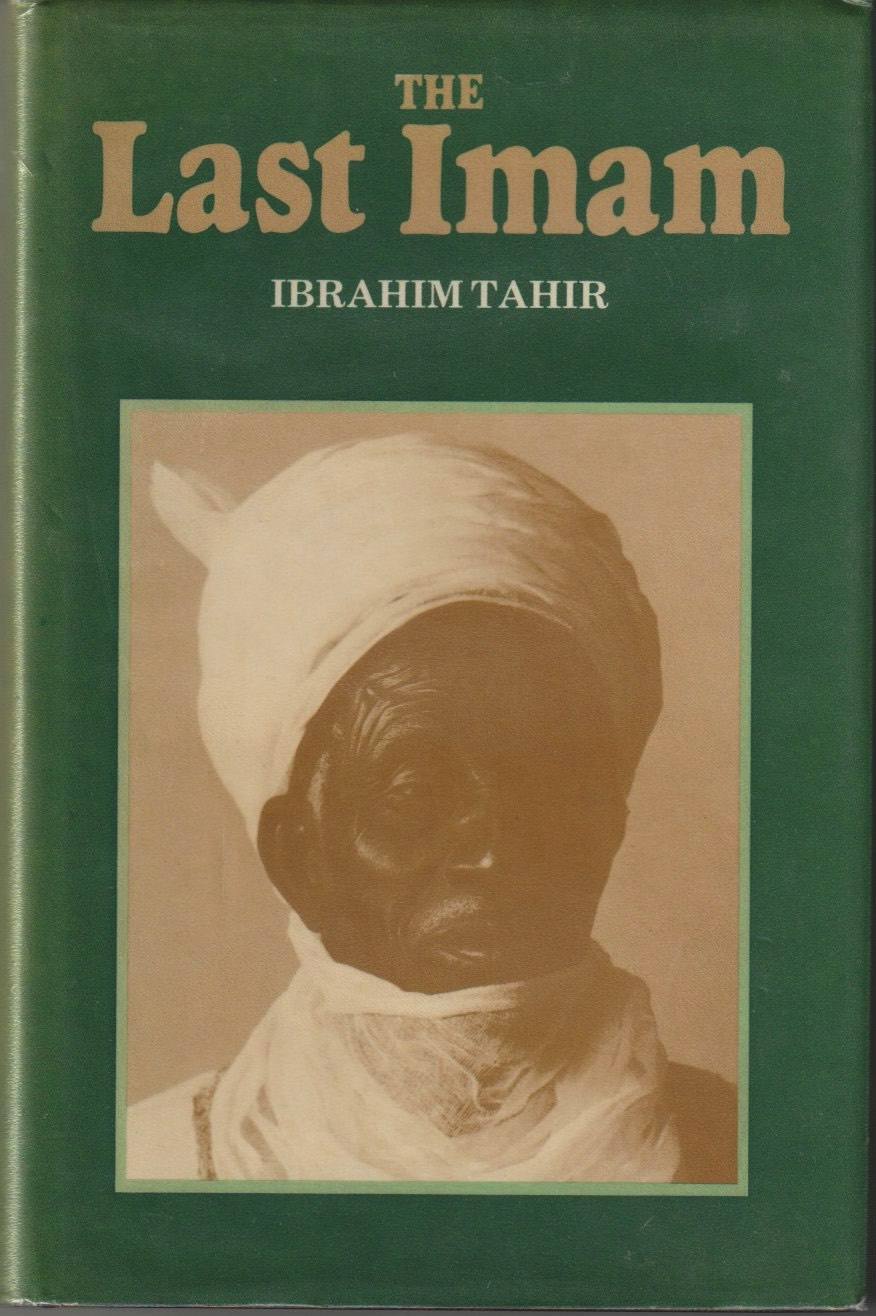
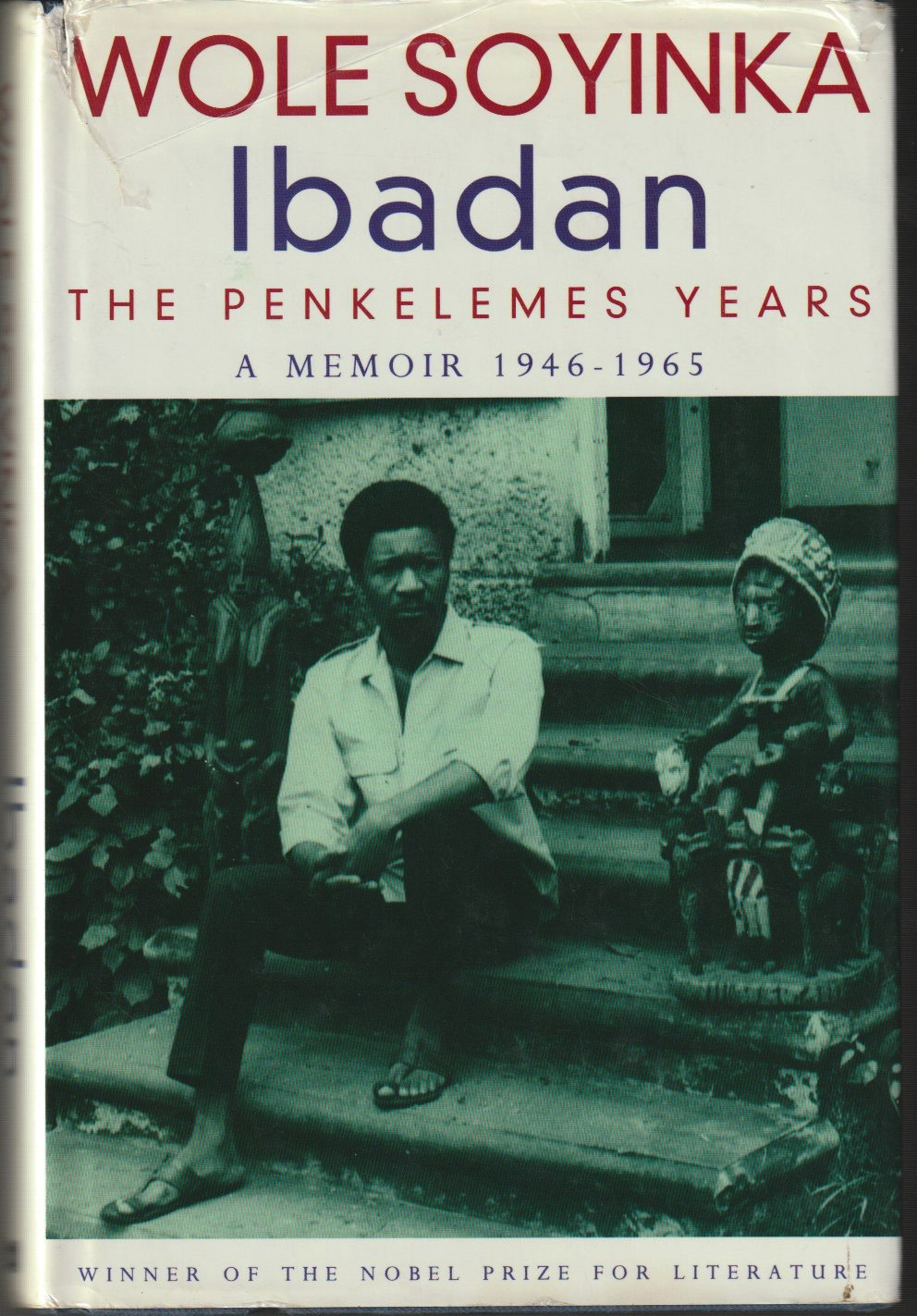
The collection now runs to 1994, and the last two arrivals stretch it in both directions. Ibrahim Tahir’s The Last Imam is one of very few novels in English from northern Nigeria to reach an international publisher, and its presence corrects a collection otherwise weighted to the south and west. And Ṣóyínká’s Ìbàdàn: The Penkelemes Years carries on its cover the photograph that became the primary inspiration for Ebrohimie Road: A Museum of Memory — a documentary that exists because a first edition preserved an image at the size and quality it was printed. It is the clearest demonstration in the collection that the argument here is not antiquarian: an object kept intact produced new work three decades later.
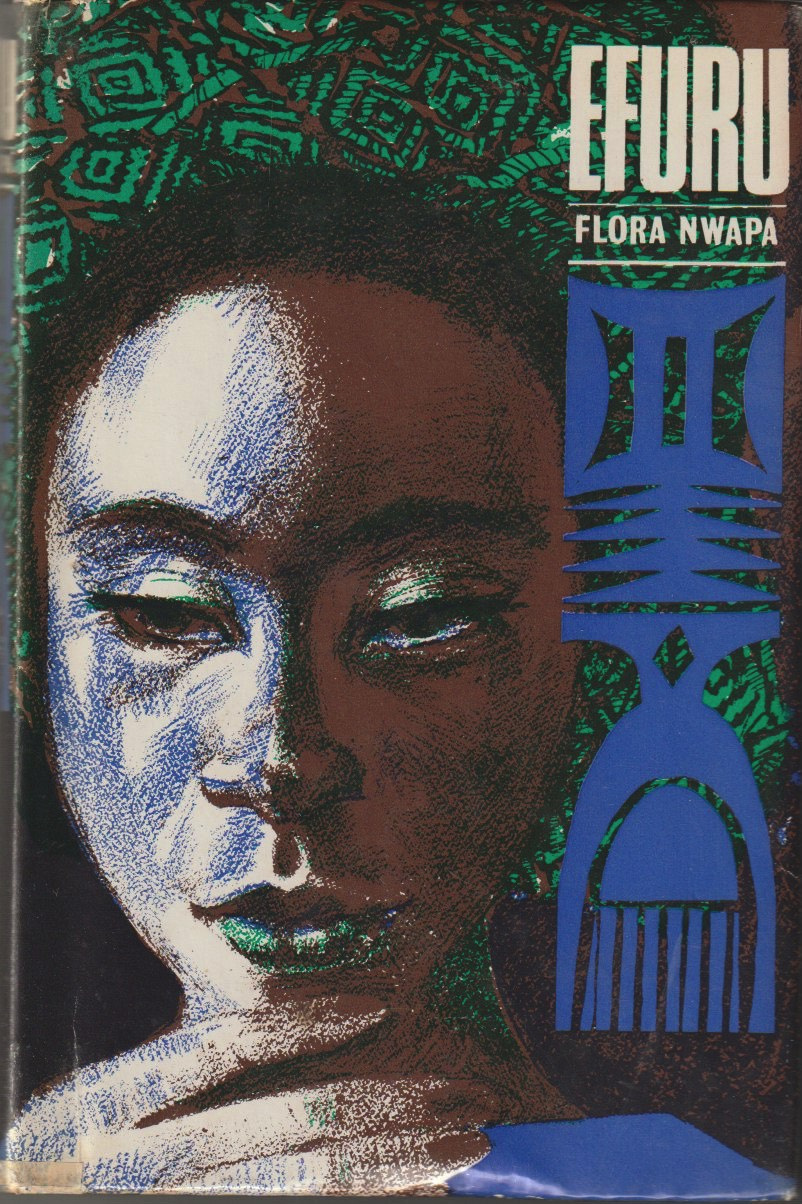
It is also the sharpest illustration of what gets lost. That jacket credits its photograph to © Hulton Deutsch — a London picture library, since absorbed into Getty. The photographer, working for the Daily Times of Nigeria, is named nowhere on the book. Onobrakpeya was at least credited on the Fágúnwà, if misspelt; Shyam Varma was credited on the Efuru jacket. Here a company stands where a person should be, on the one image in this collection that went on to make something new.
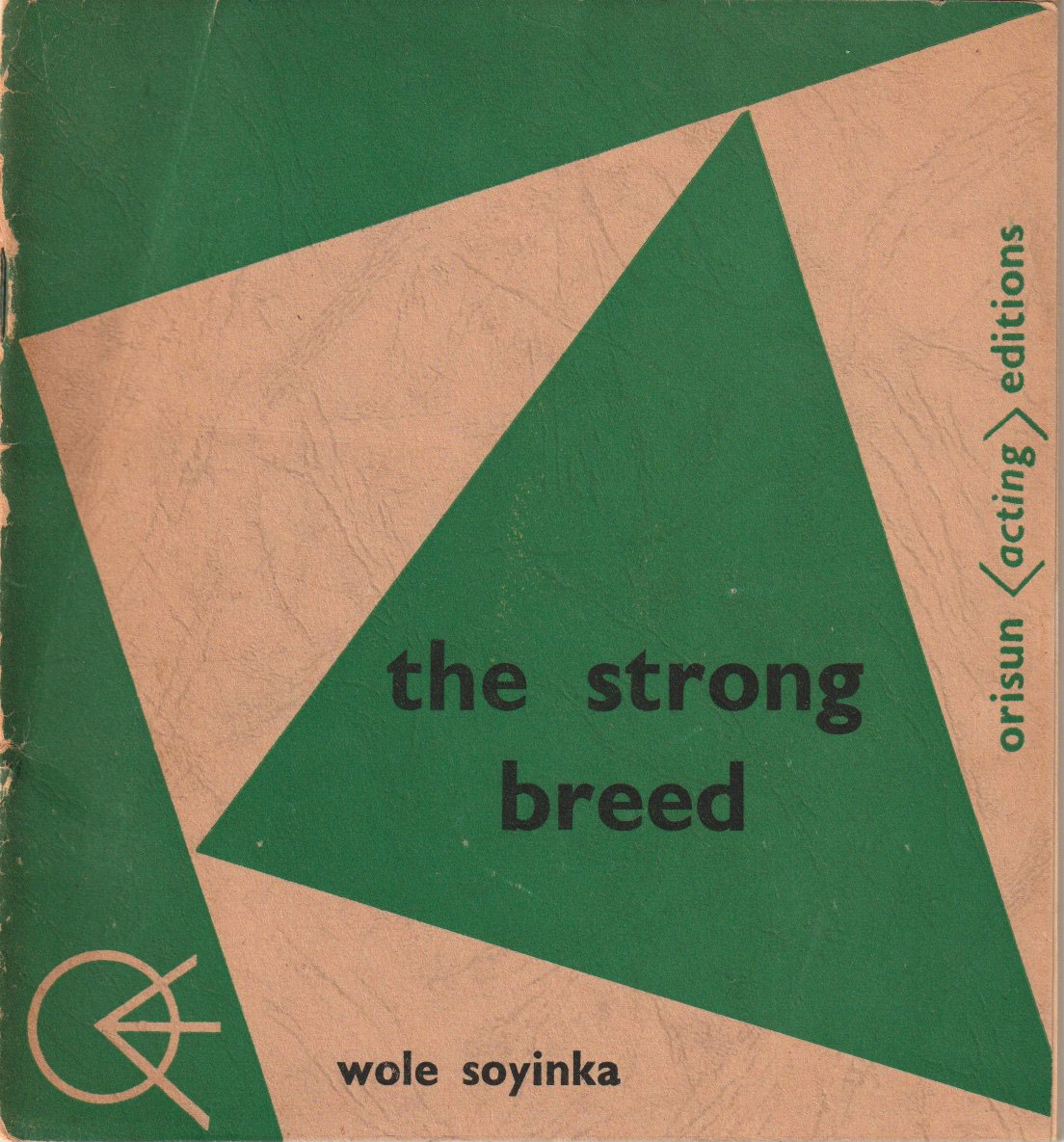
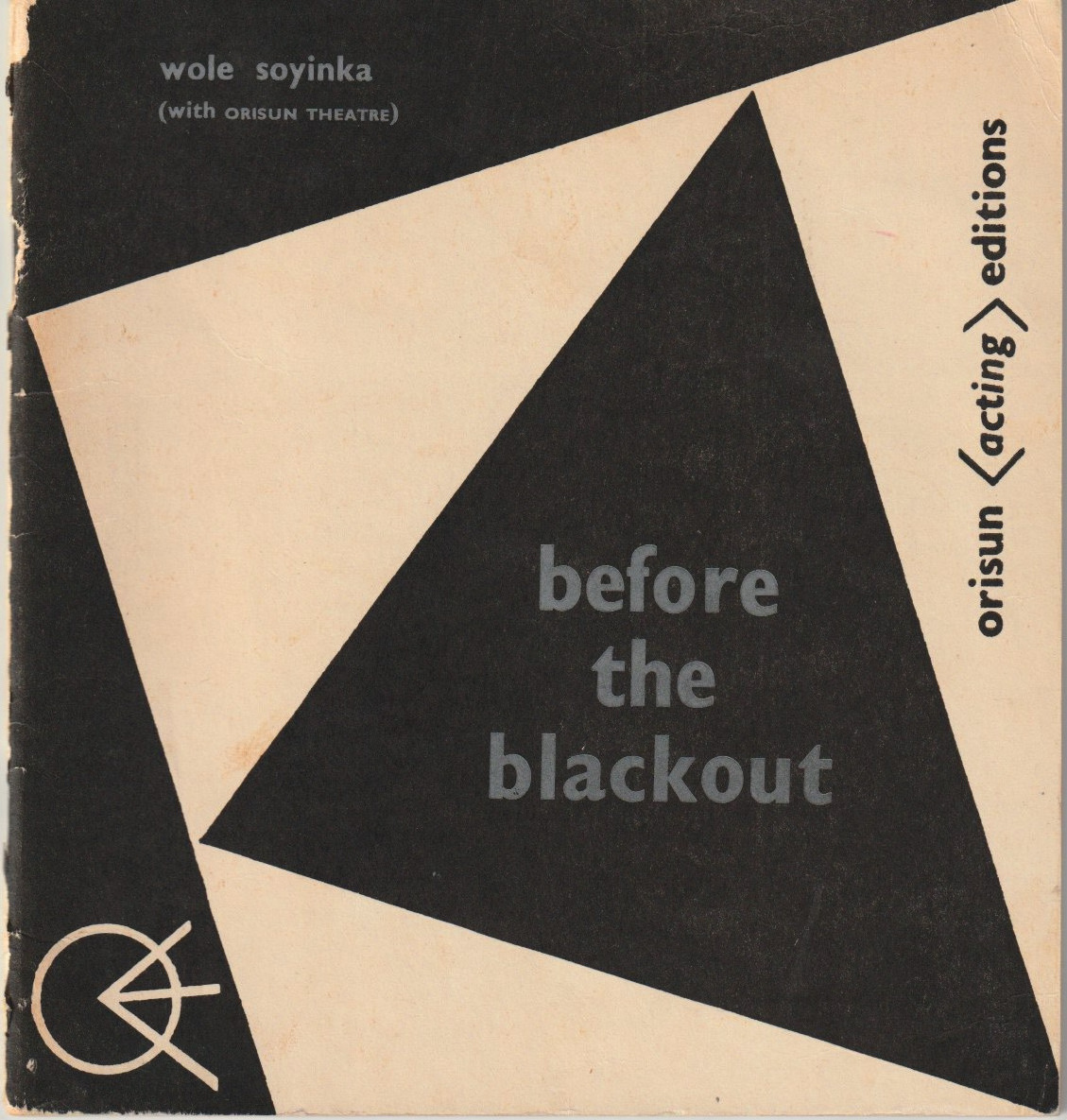
The two Orisun Acting Editions belong to a different order of survival again. They are not trade books but working scripts, printed cheaply in Ìbàdàn by a jobbing press for a theatre company to use, mark up and discard. Nothing about them was meant to last: no date, paper wrappers, a printer’s docket at the foot of the page. That is precisely why so few remain, and why a pair of pamphlets sits here among the hardbacks. Almost every other item in this collection was reprinted by somebody. These were not.
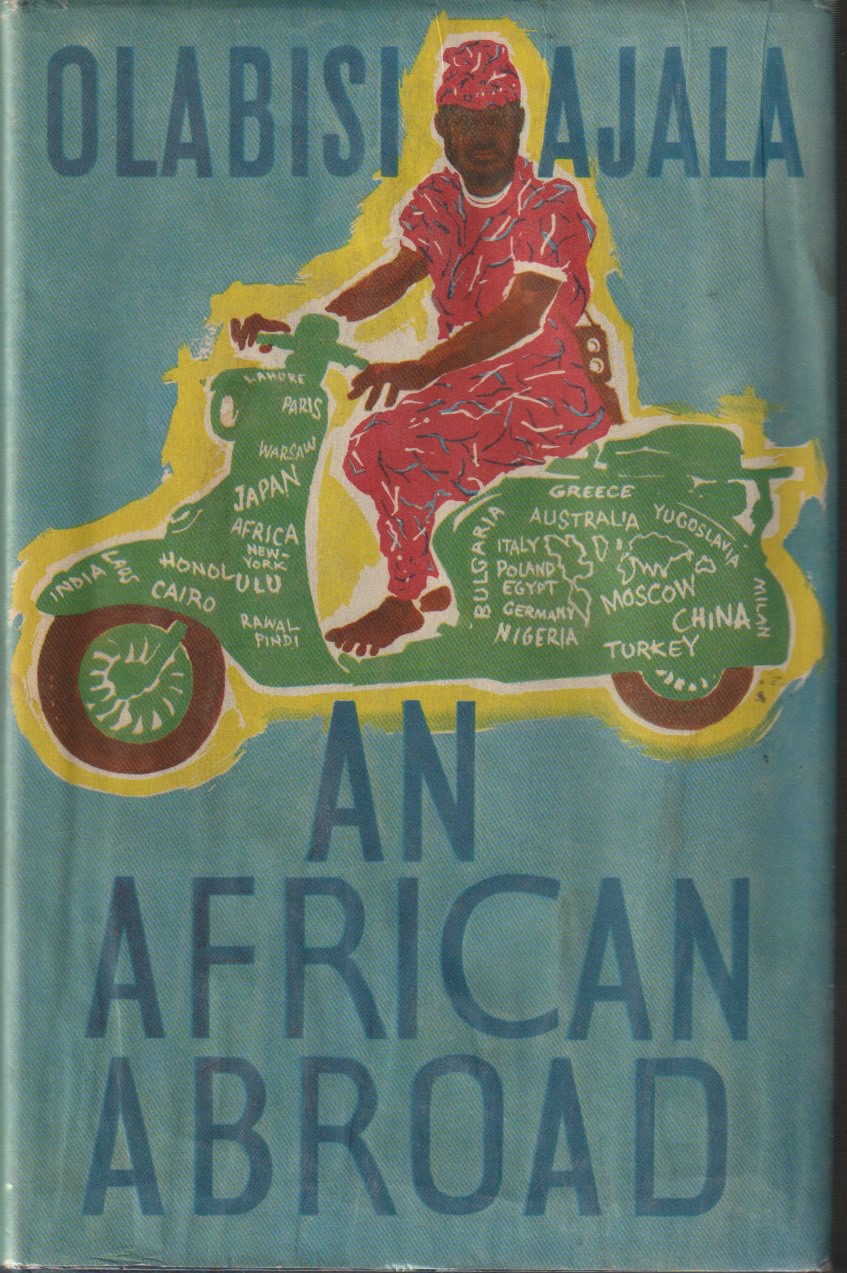
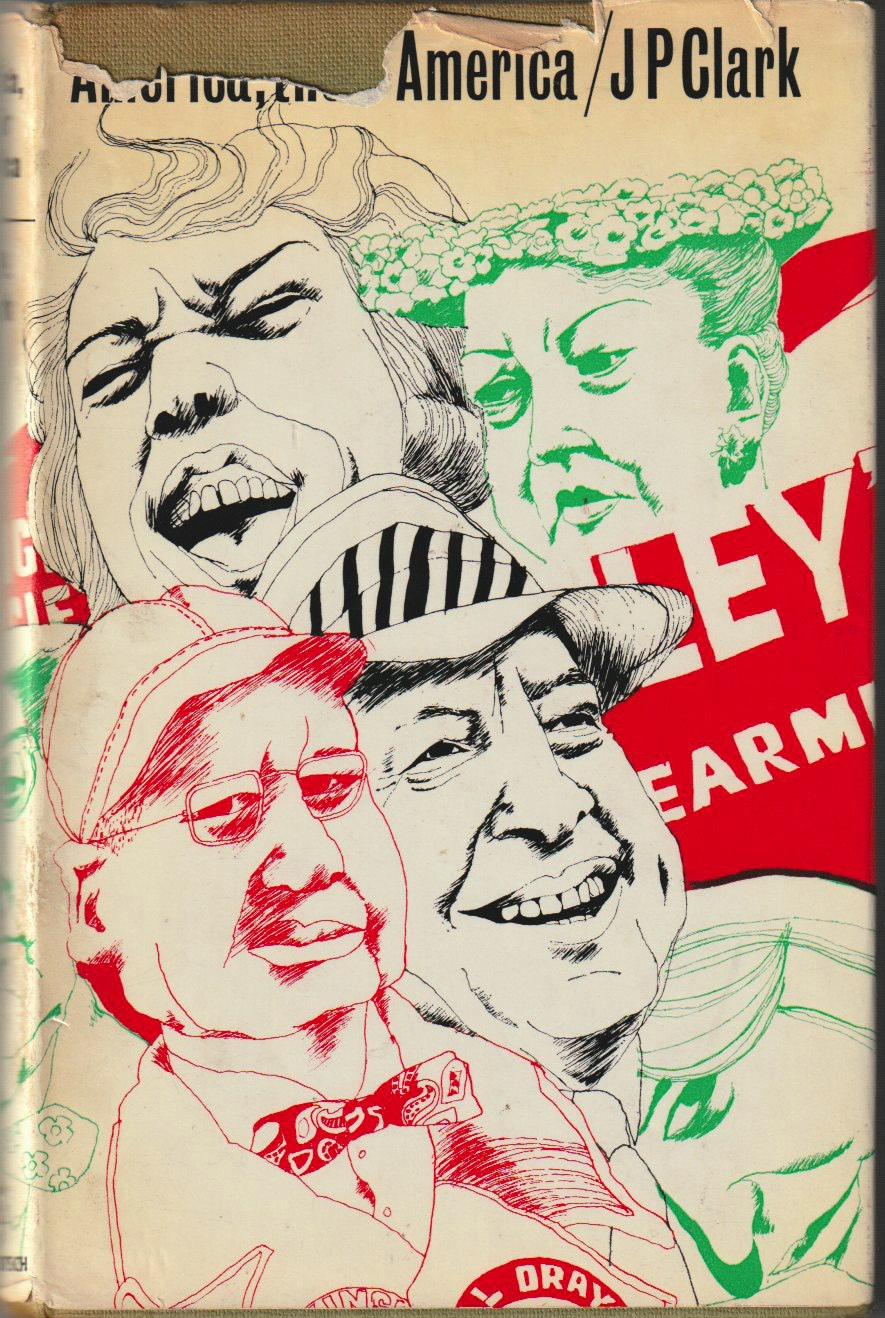
Two of the books here are not literature at all but reportage, and they belong together. Ọlábísí Àjàlá’s An African Abroad of 1963 and J. P. Clark’s America, Their America of 1964 are both accounts of a Nigerian going out into the world and declining to be impressed by it — Àjàlá on a motor scooter through India, Russia, Iran and Israel, interviewing Nehru and Khrushchev and Nasser along the way; Clark dismissed from a Princeton fellowship designed to teach him about America. Tom Mboya, introducing Àjàlá, was writing in the same year and to the same purpose: colonialism’s twilight, and a new flowering already visible.
Read together, these make visible something a single copy cannot: the distance between a book's first appearance and the edition that made it canonical, and the distance a book travels between one country's readers and another's.