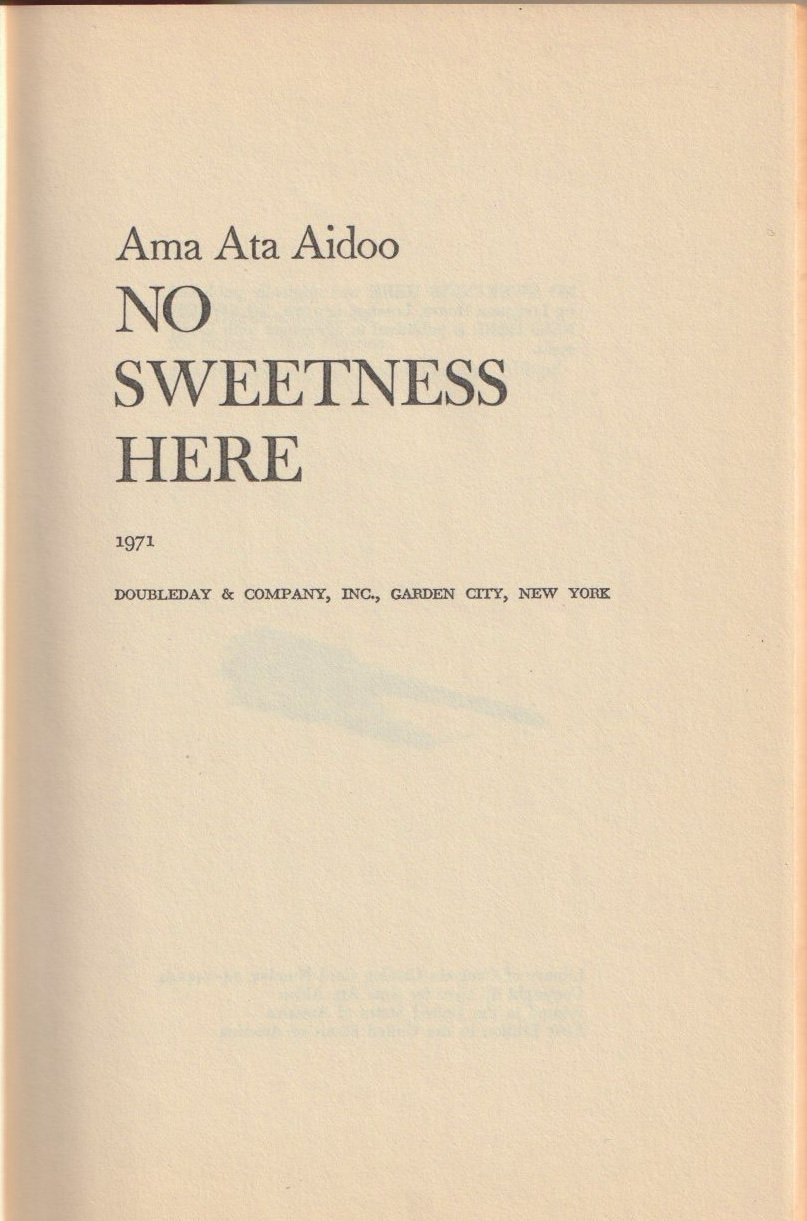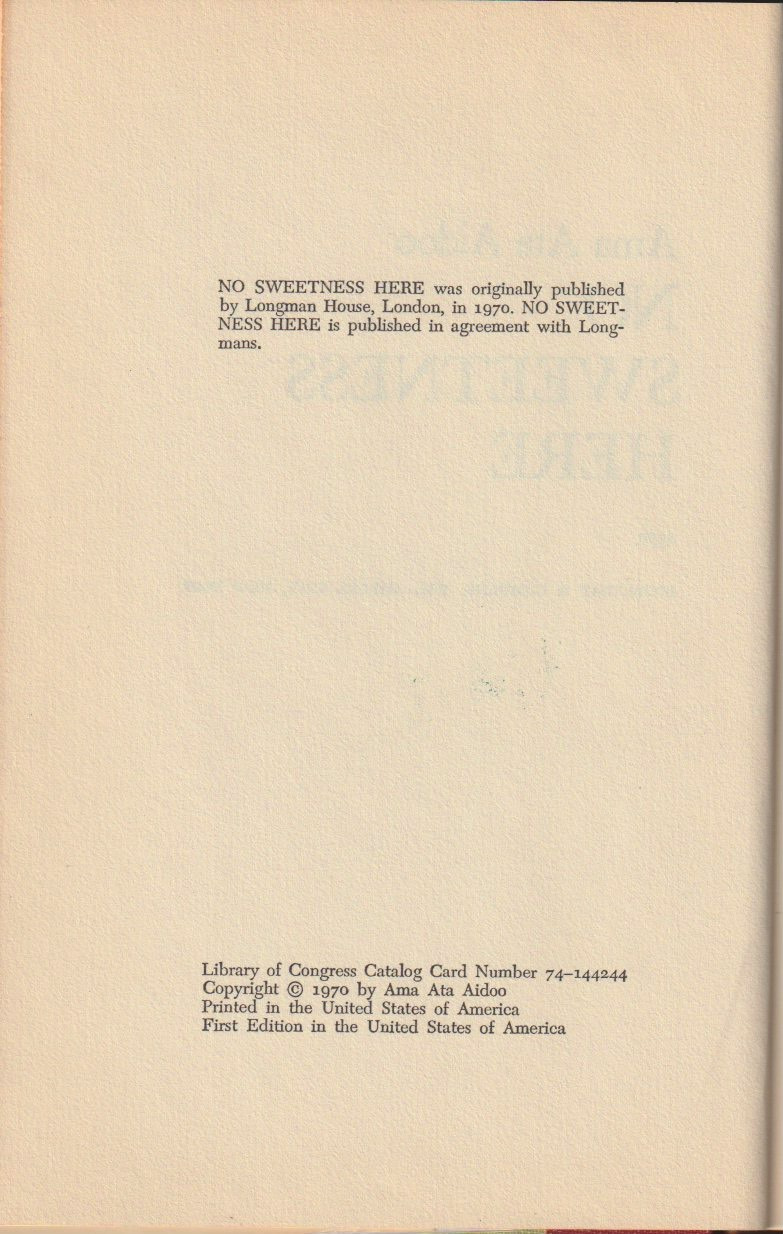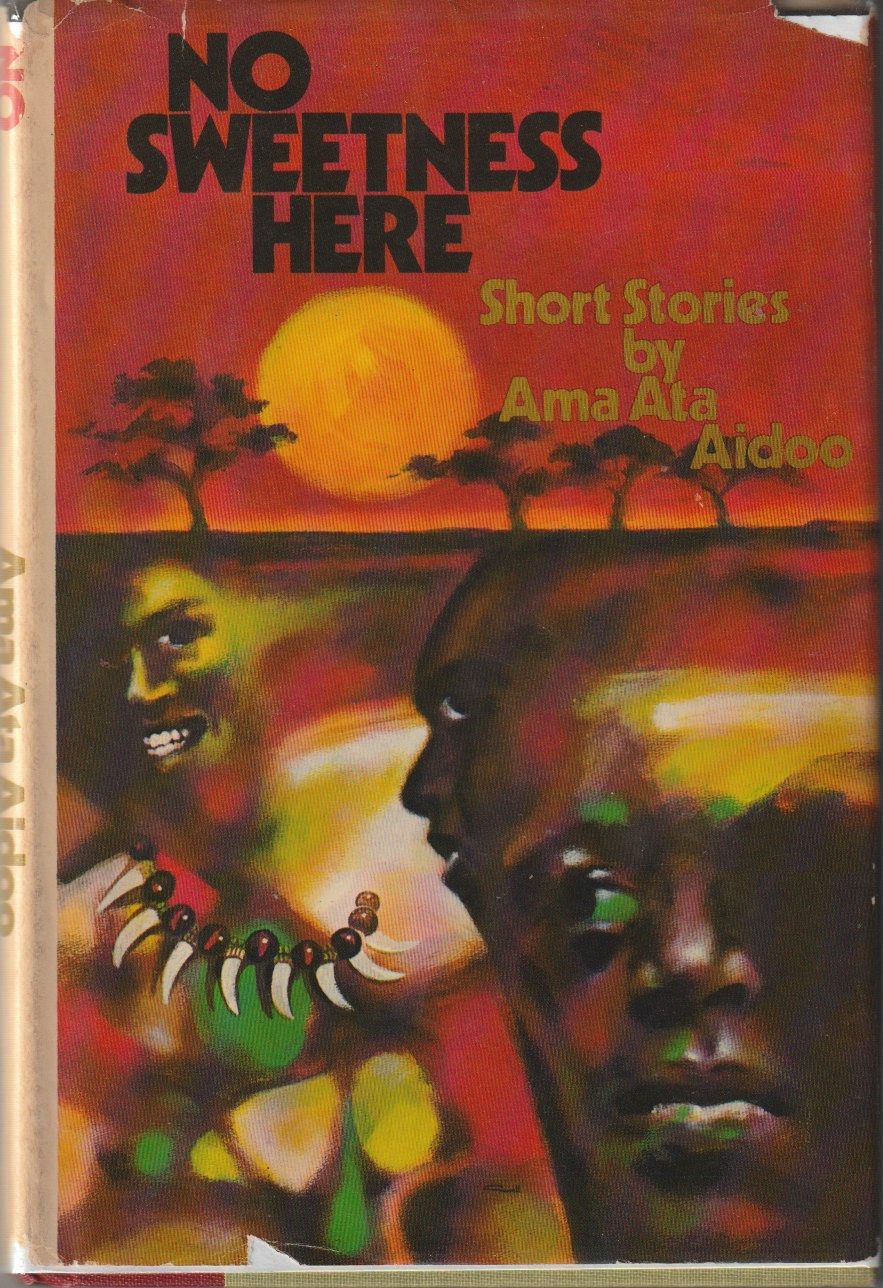
Aidoo’s first collection of stories, in its American edition. The copyright page states the position exactly: the book was originally published by Longman House, London, in 1970, and this Doubleday printing is issued in agreement with Longmans. The line beneath reads “First Edition in the United States of America”.
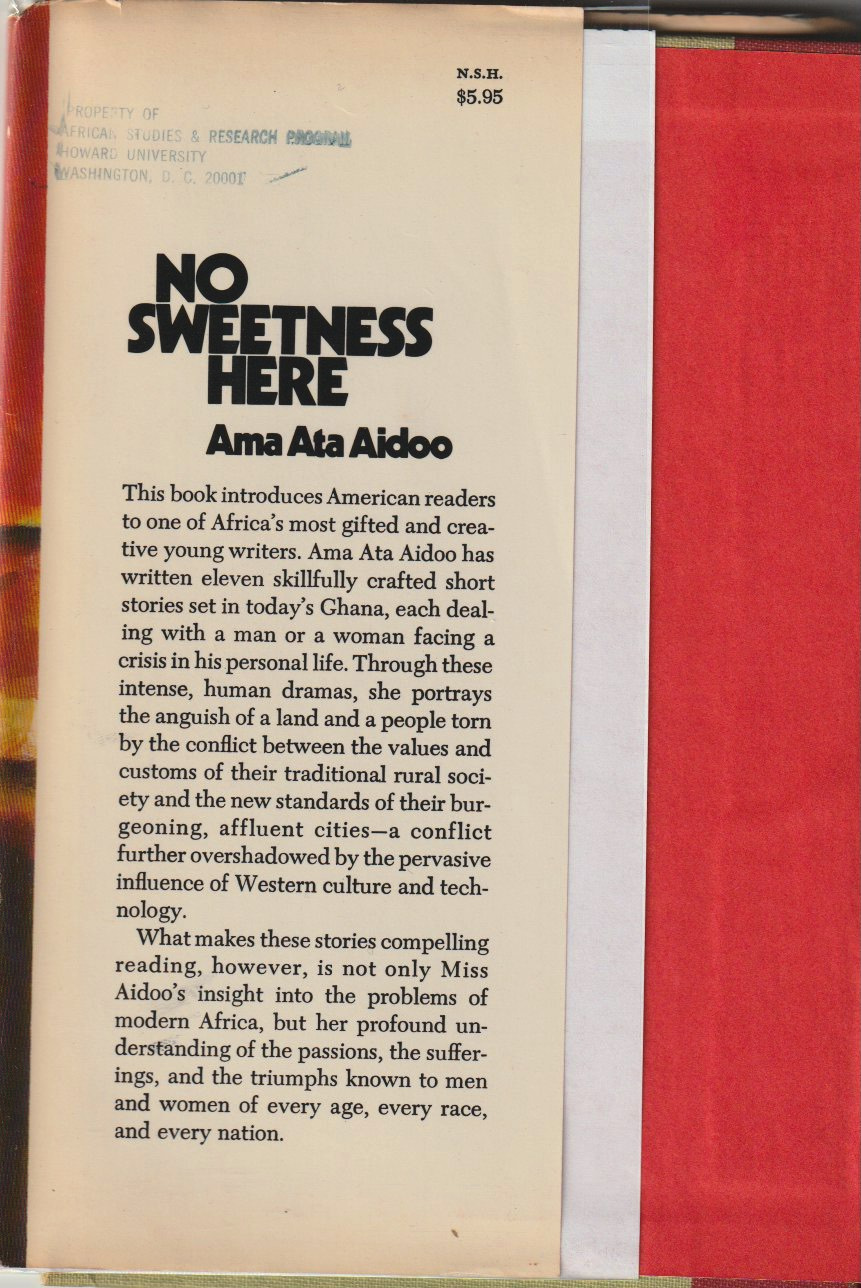
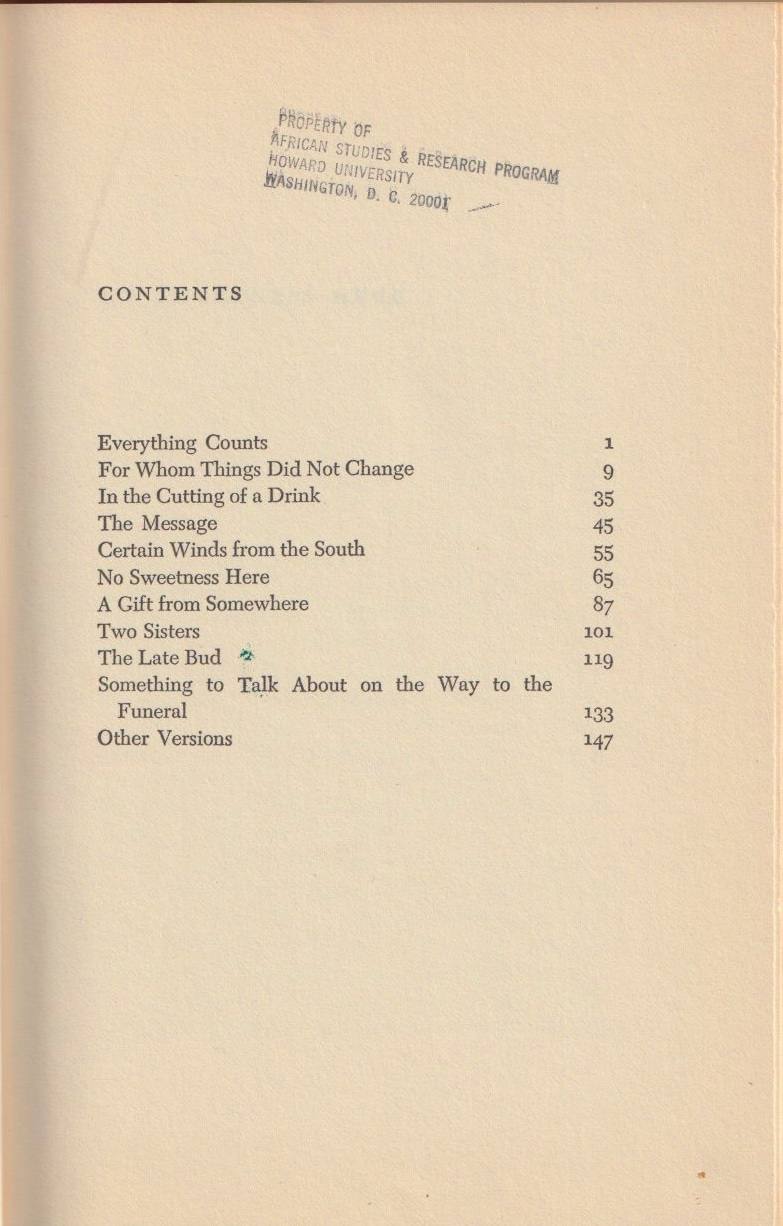
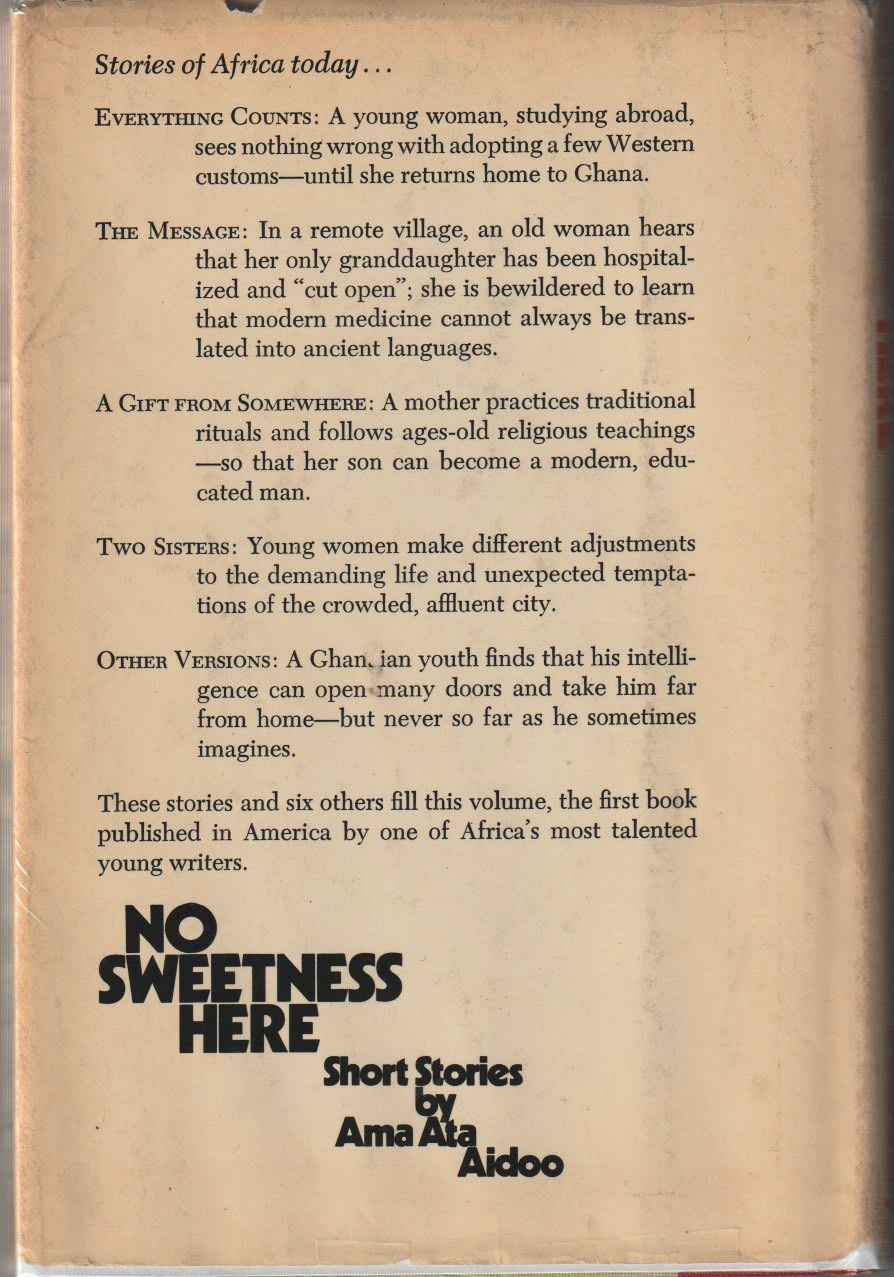
Eleven stories set in the Ghana of the day, each turning on a person in the middle of a private crisis. The jacket frames them as portraying “the anguish of a land and a people torn between the values and customs of their traditional rural society and the new standards of their burgeoning, affluent cities”. The rear board summarises several individually — the young woman studying abroad who sees no harm in a few Western customs until she returns home; the old woman in a remote village told her granddaughter has been “cut open”, bewildered that modern medicine cannot always be translated into ancient languages.
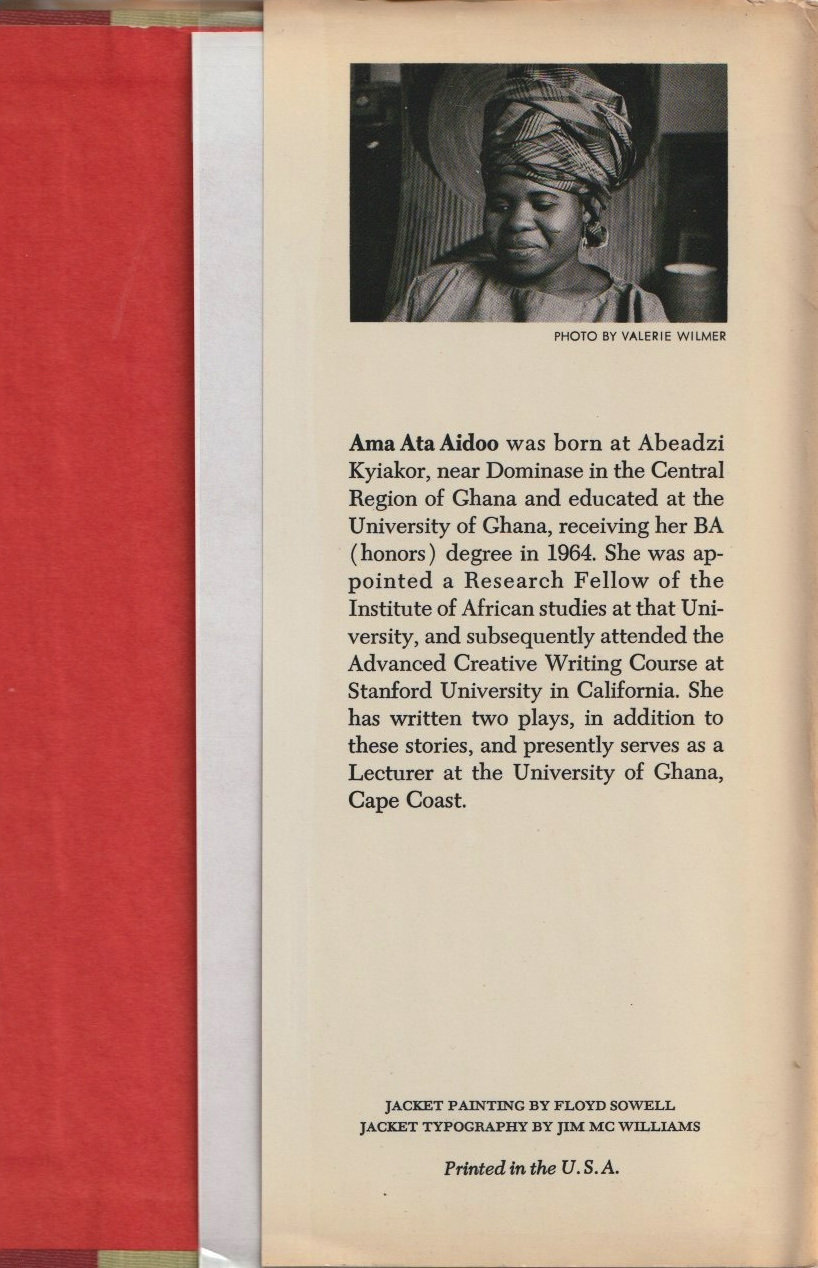
The author note dates the book to the beginning of a career: Aidoo born at Abeadzi Kyiakor near Dominase in Ghana’s Central Region, a BA with honours from the University of Ghana in 1964, a research fellowship at its Institute of African Studies, the Advanced Creative Writing Course at Stanford, two plays already written, and a lectureship at Cape Coast. The jacket photograph is by Valerie Wilmer; the painting by Floyd Sowell.
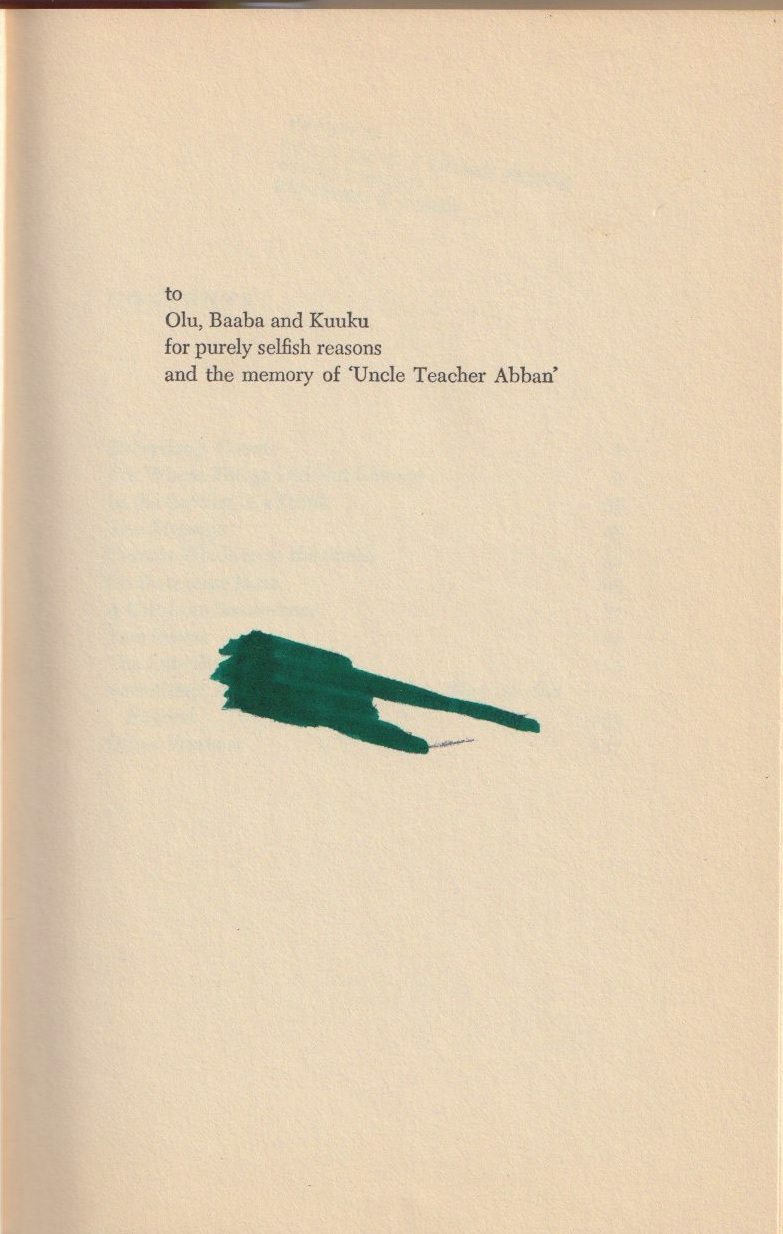
Dedicated to Olu, Baaba and Kuuku “for purely selfish reasons”, and to the memory of “Uncle Teacher Abban”.
Provenance. The front flap and the contents leaf both carry a library stamp reading, as far as the scan allows, “African Studies and Research Program” with a Washington, D.C. address. That would make this a discarded or transferred copy from an American university African studies library — worth recording properly on the page once the institution is confirmed from the copy.