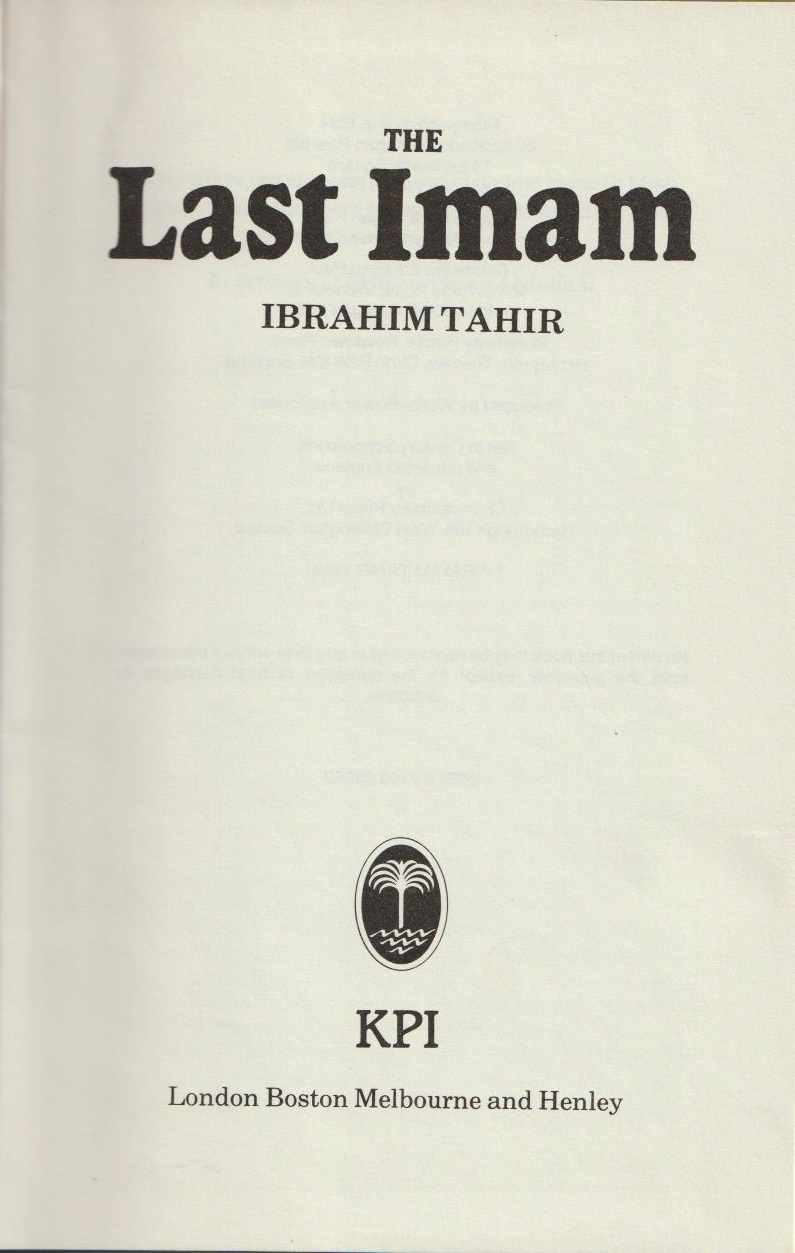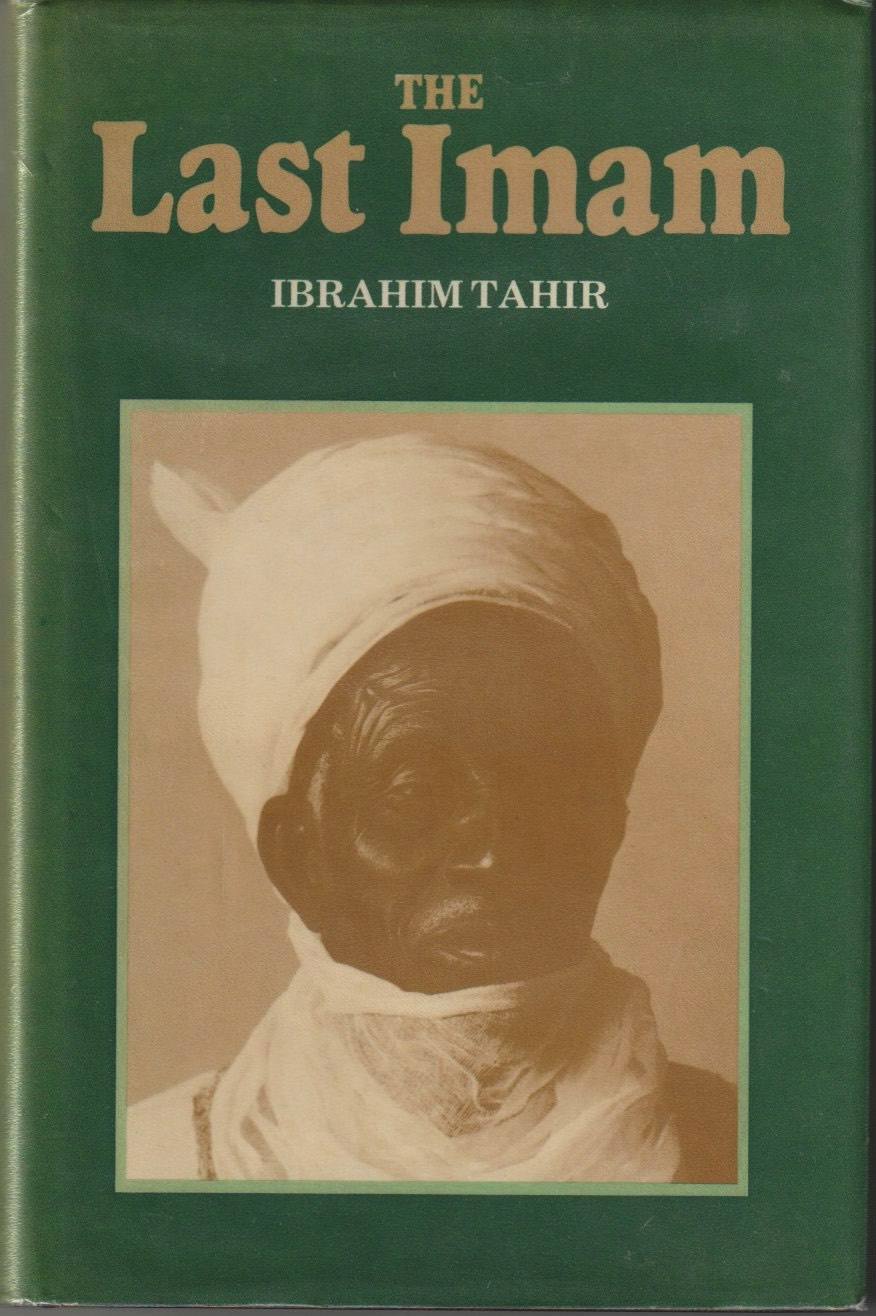
Ibrahim Tahir’s first and only novel, published in London in 1984 under the KPI imprint of Routledge & Kegan Paul. It is one of the few novels in English from northern Nigeria to reach an international publisher in this period, and the collection is thinner without it: almost everything else here comes from the south and west.
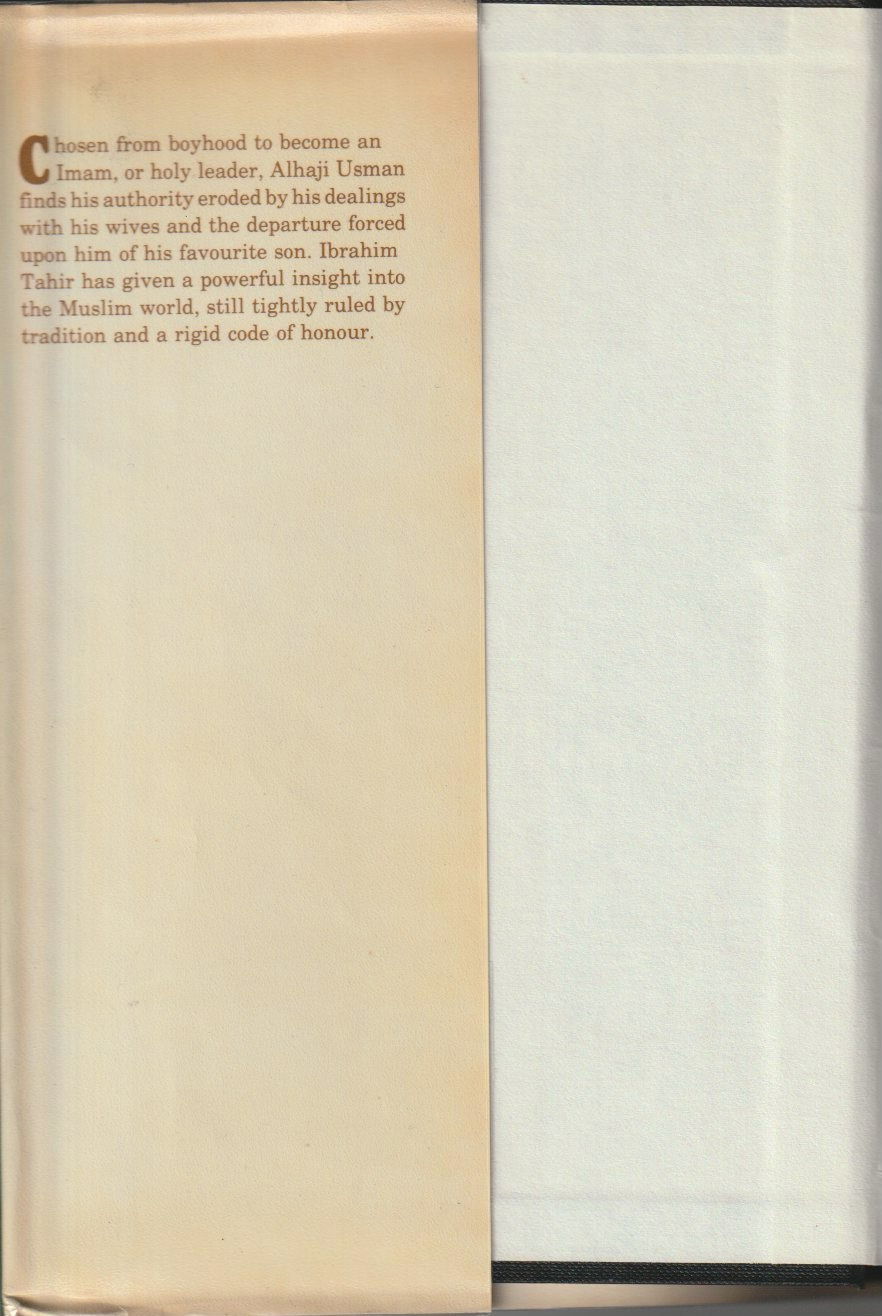
The jacket sets out the premise. Alhaji Usman, chosen from boyhood to become an Imam, finds his authority eroded by his dealings with his wives and by the departure forced upon him of his favourite son. The flap describes it as a powerful insight into a Muslim world still tightly ruled by tradition and a rigid code of honour — a framing aimed at a British readership, and one that says as much about the publisher’s assumptions as about the book.
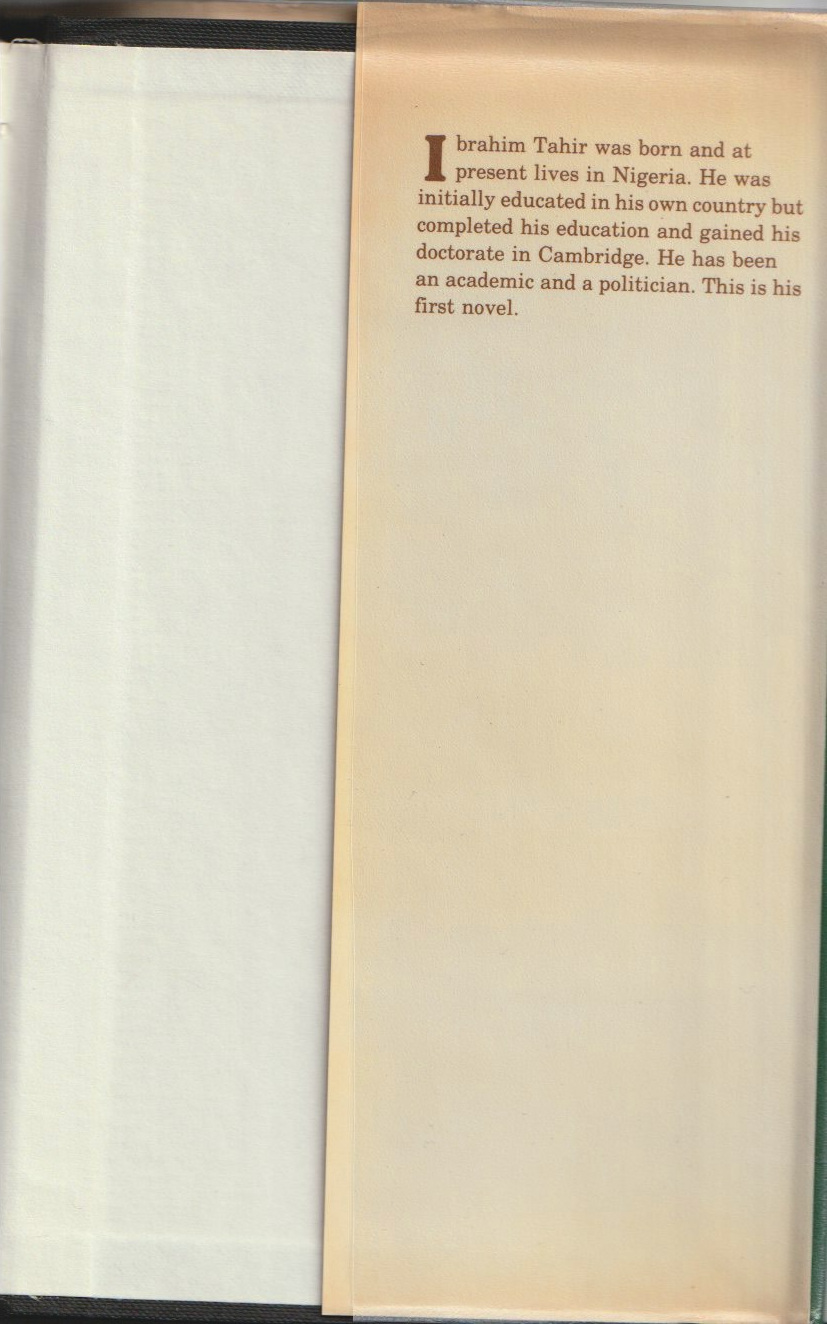
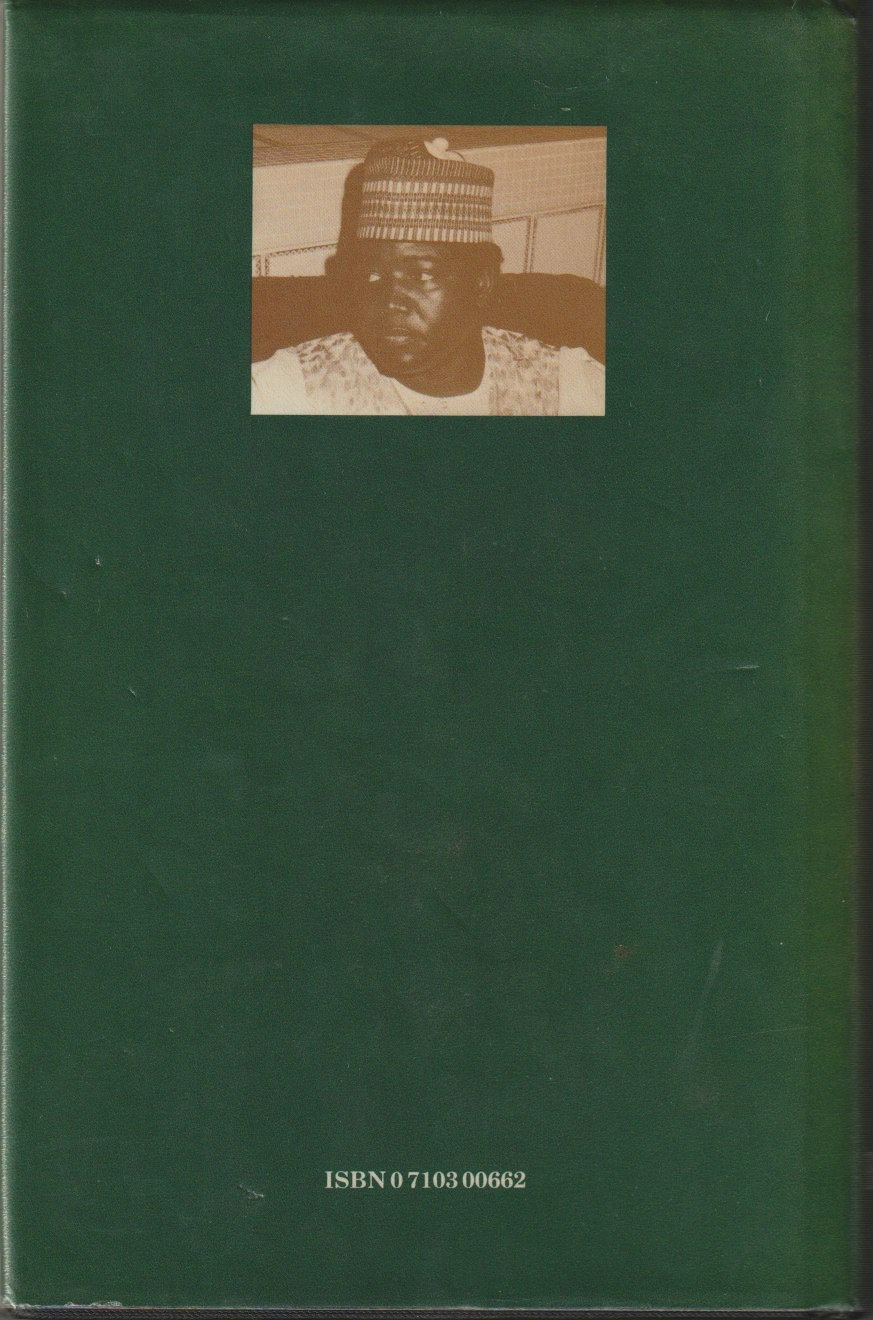
The author note is brief and tells you why the novel has the texture it does: Tahir was born and still lived in Nigeria, was educated at home before completing his studies and taking his doctorate at Cambridge, and had been both an academic and a politician. He was writing about religious authority from inside a society he had also studied and governed in.
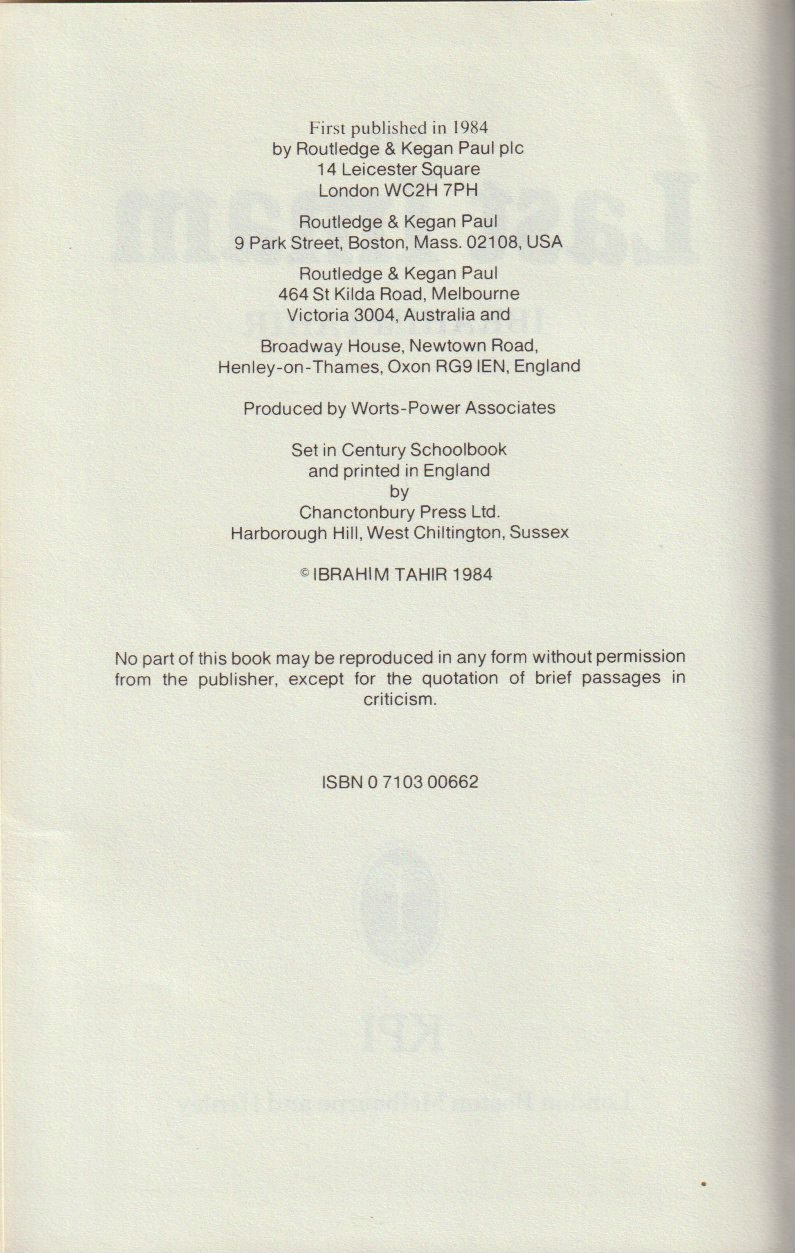
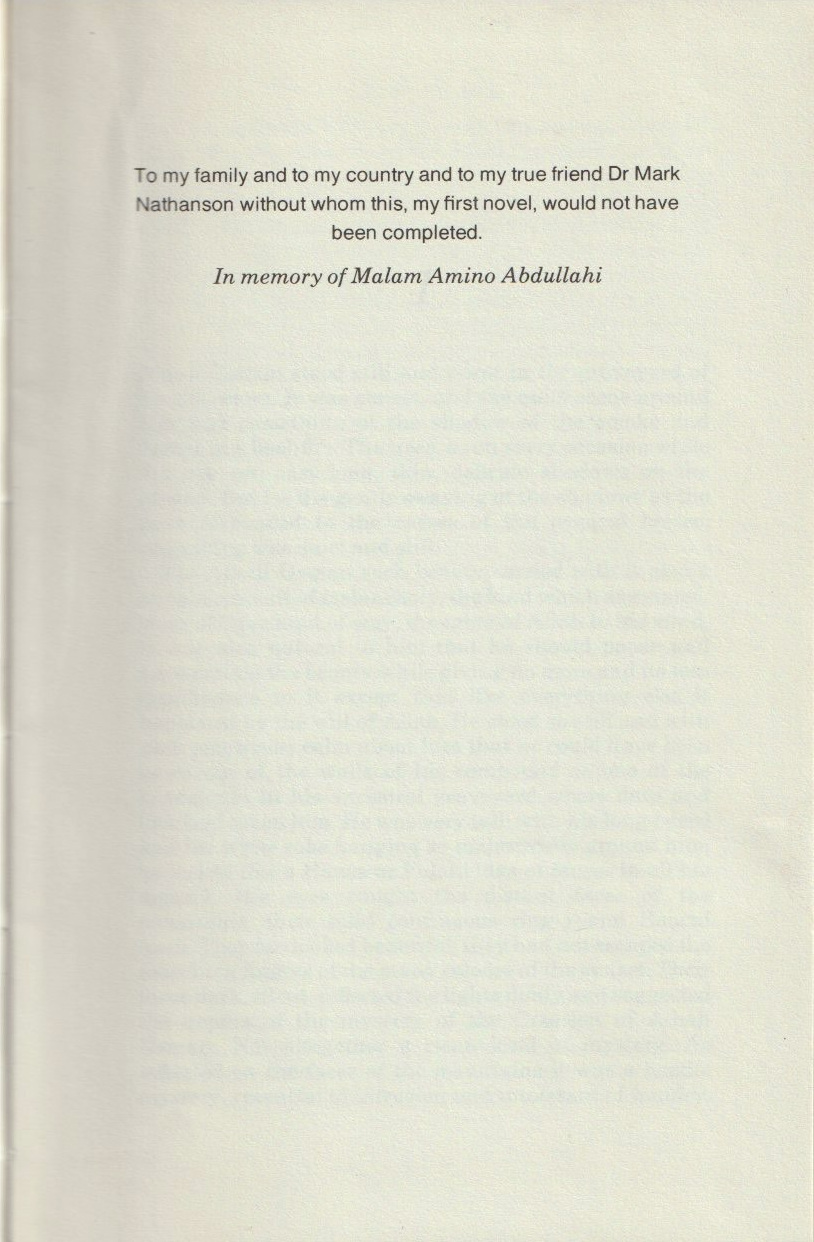
Set in Century Schoolbook, produced by Worts-Power Associates and printed in England by the Chanctonbury Press. Dedicated to his family, his country, and a friend without whom, he writes, this first novel would not have been completed — and to the memory of Malam Amino Abdullahi.