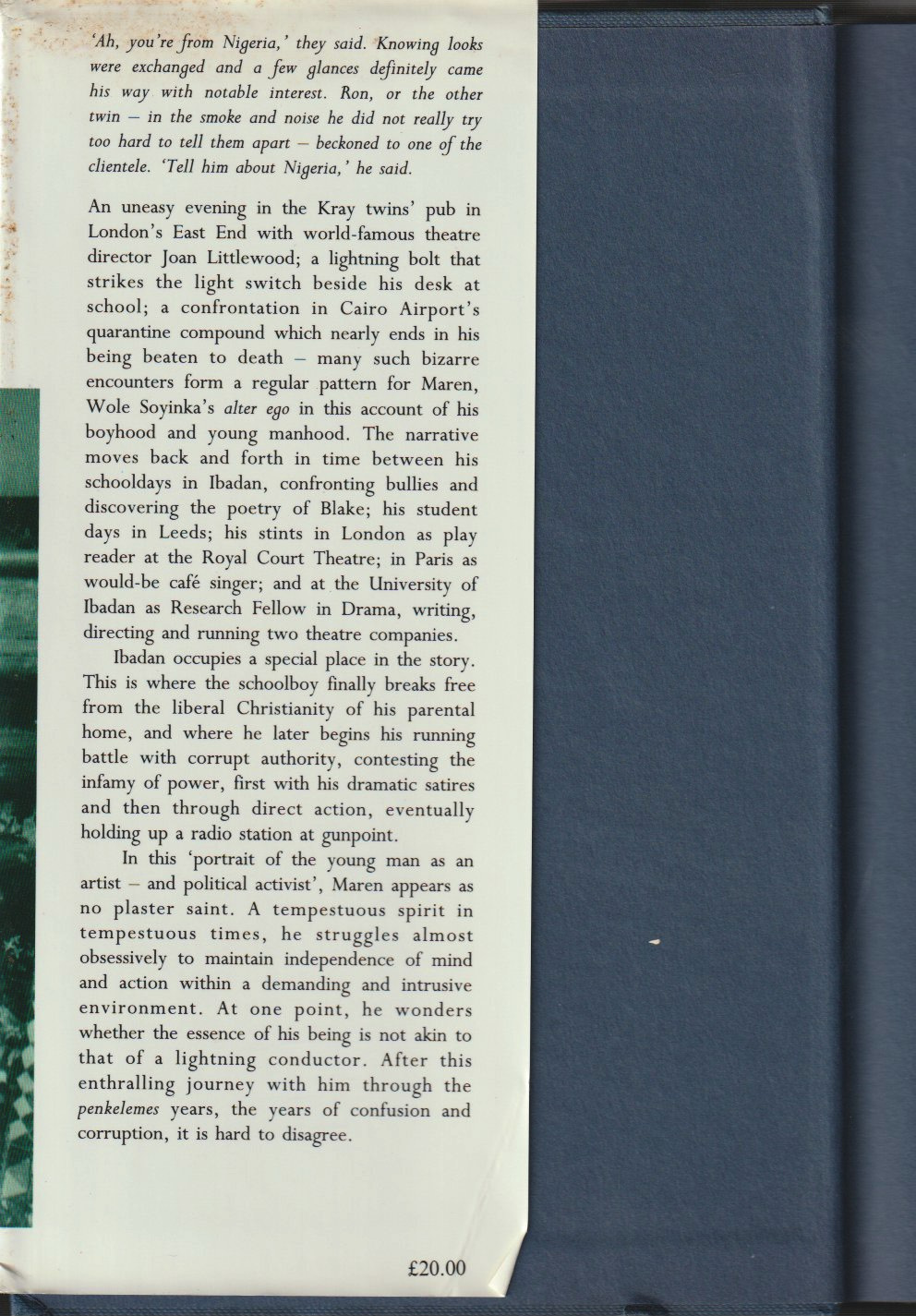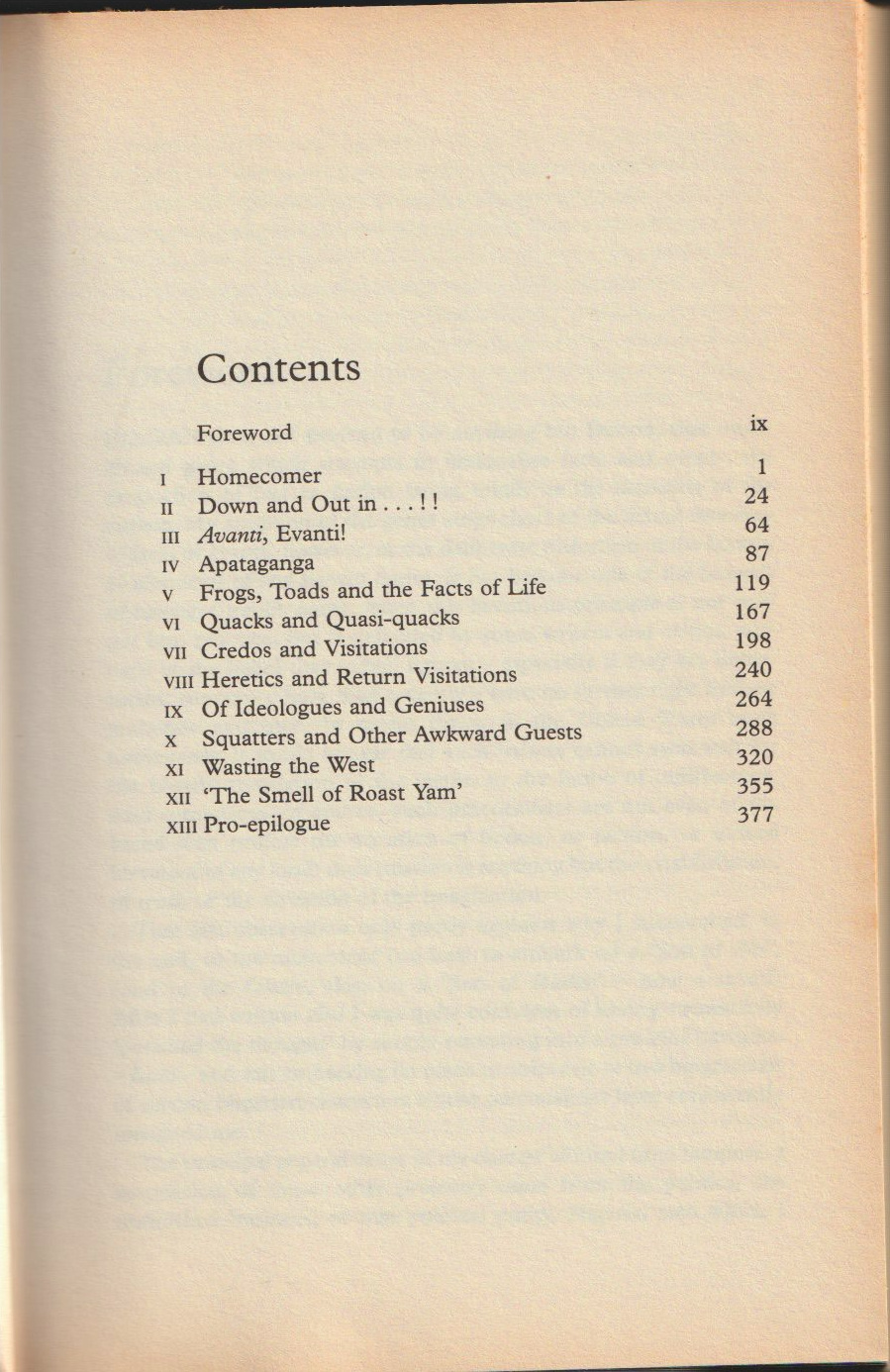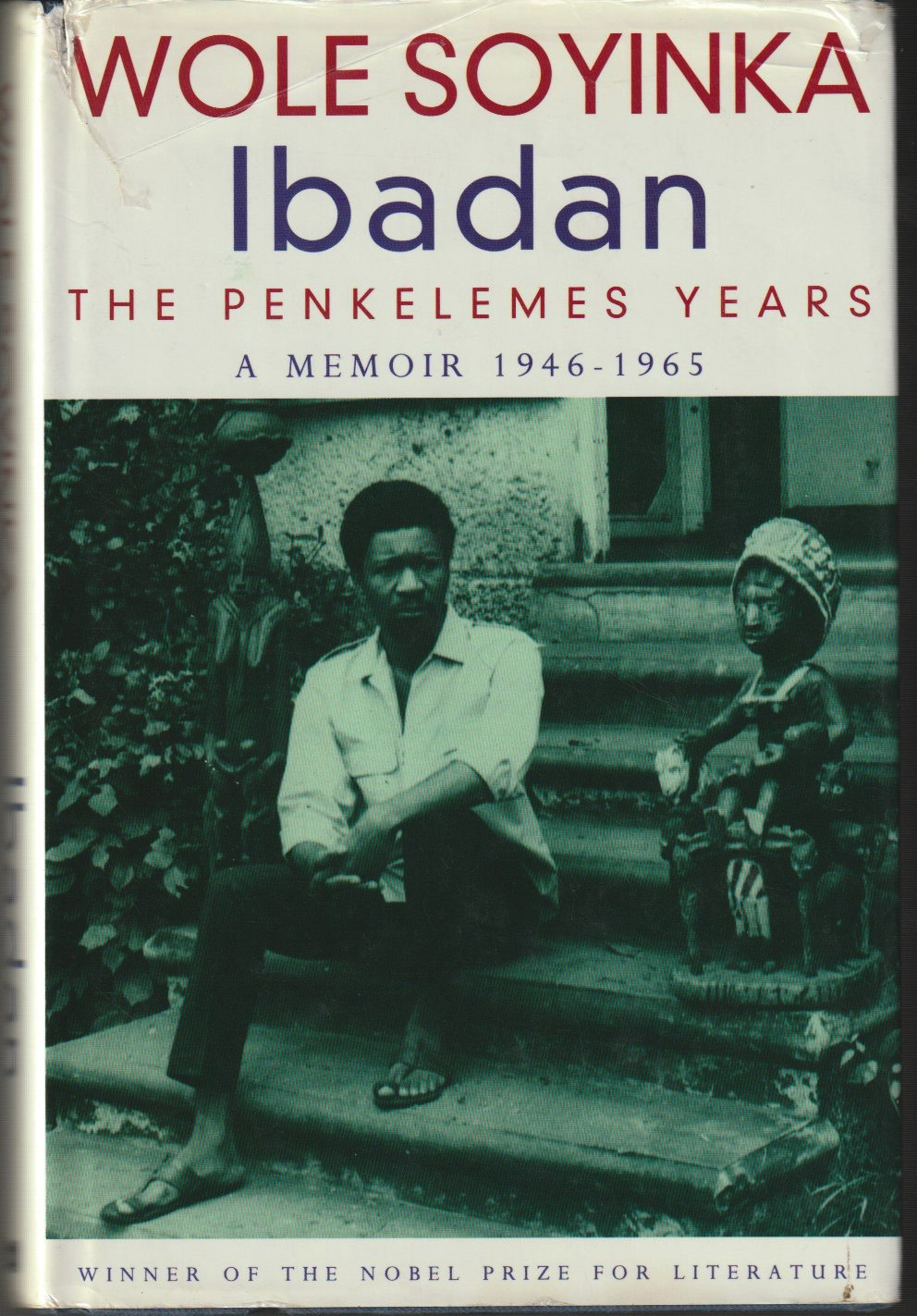
The second volume of Ṣóyínká’s memoirs, covering 1946 to 1965 — the years between Aké and the events that would put him in prison. Maren, his alter ego, moves back and forth between schooldays in Ìbàdàn and a young manhood that takes in an uneasy evening in the Kray twins’ pub in London’s East End with Joan Littlewood, a lightning bolt that strikes the light switch beside his desk, and a confrontation in the quarantine compound at Cairo airport that nearly ends in his being beaten to death.
The title comes from Ìbàdàn politics. Penkelemes is the Yorùbá rendering of “peculiar mess”, the phrase associated with the politician Adégòkè Adélabú, and it became the popular name for the era itself.
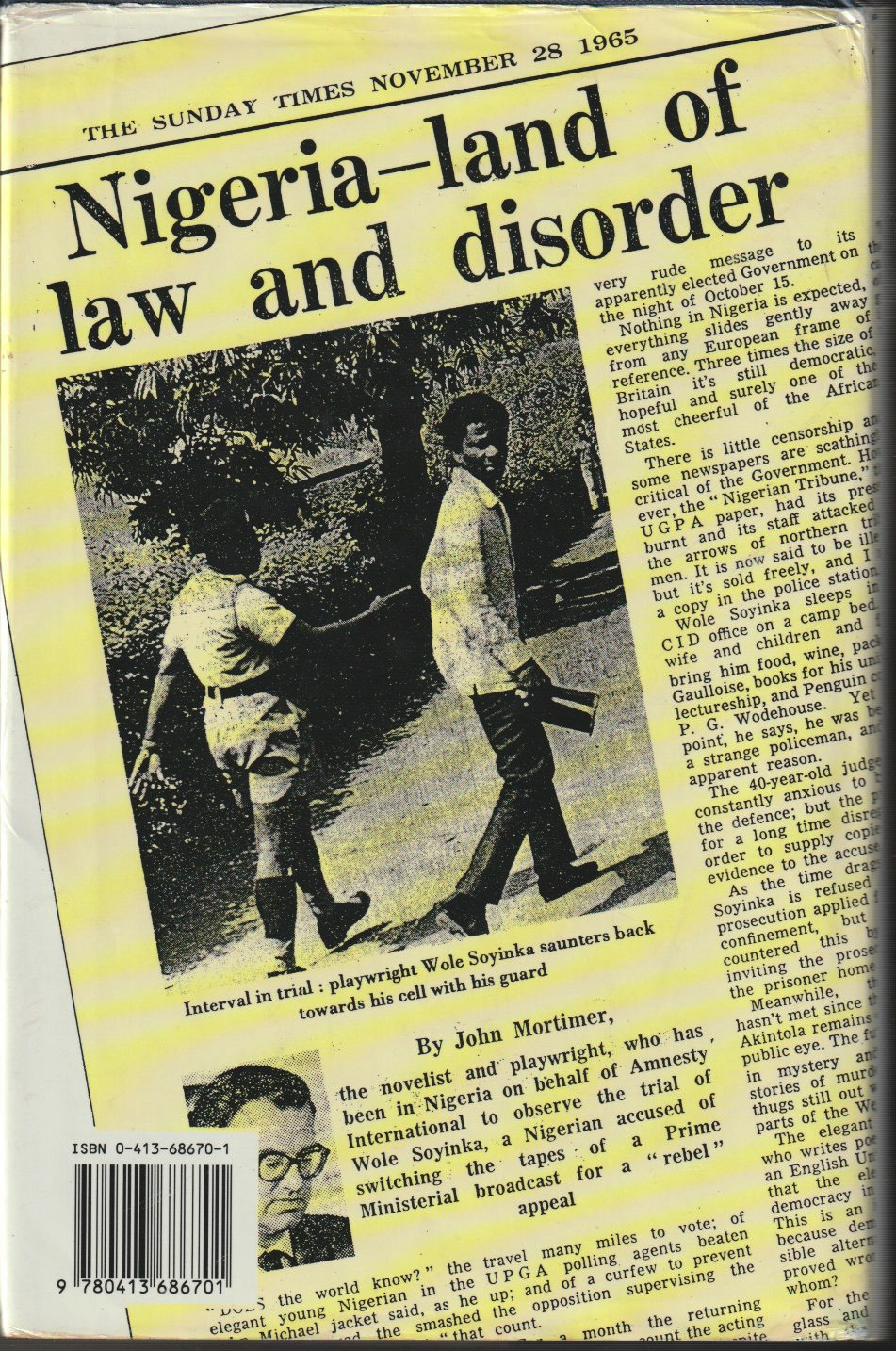
The rear board reproduces a page of the Sunday Times for 28 November 1965, carrying John Mortimer’s report from Nigeria on the playwright’s trial — a newspaper printed while the events of the book were still happening, reproduced on the jacket of a book published nearly thirty years later.
The cover photograph and this Library. The photograph on the front of this edition is the primary inspiration for Ebrohimie Road: A Museum of Memory, the documentary directed by Kọ́lá Túbọ̀sún, whose subject is the house on Ebrohimie Road in Ìbàdàn where Ṣóyínká lived during part of the period this memoir covers. A first edition is where that image is still to be found at the size and quality it was printed; the film exists because the photograph did. The film is at ebrohimie.olongoafrica.com, and the director discusses its making and the significance of the setting in Setting Forth from Ebrohimie Road, published in The Republic in January 2025.
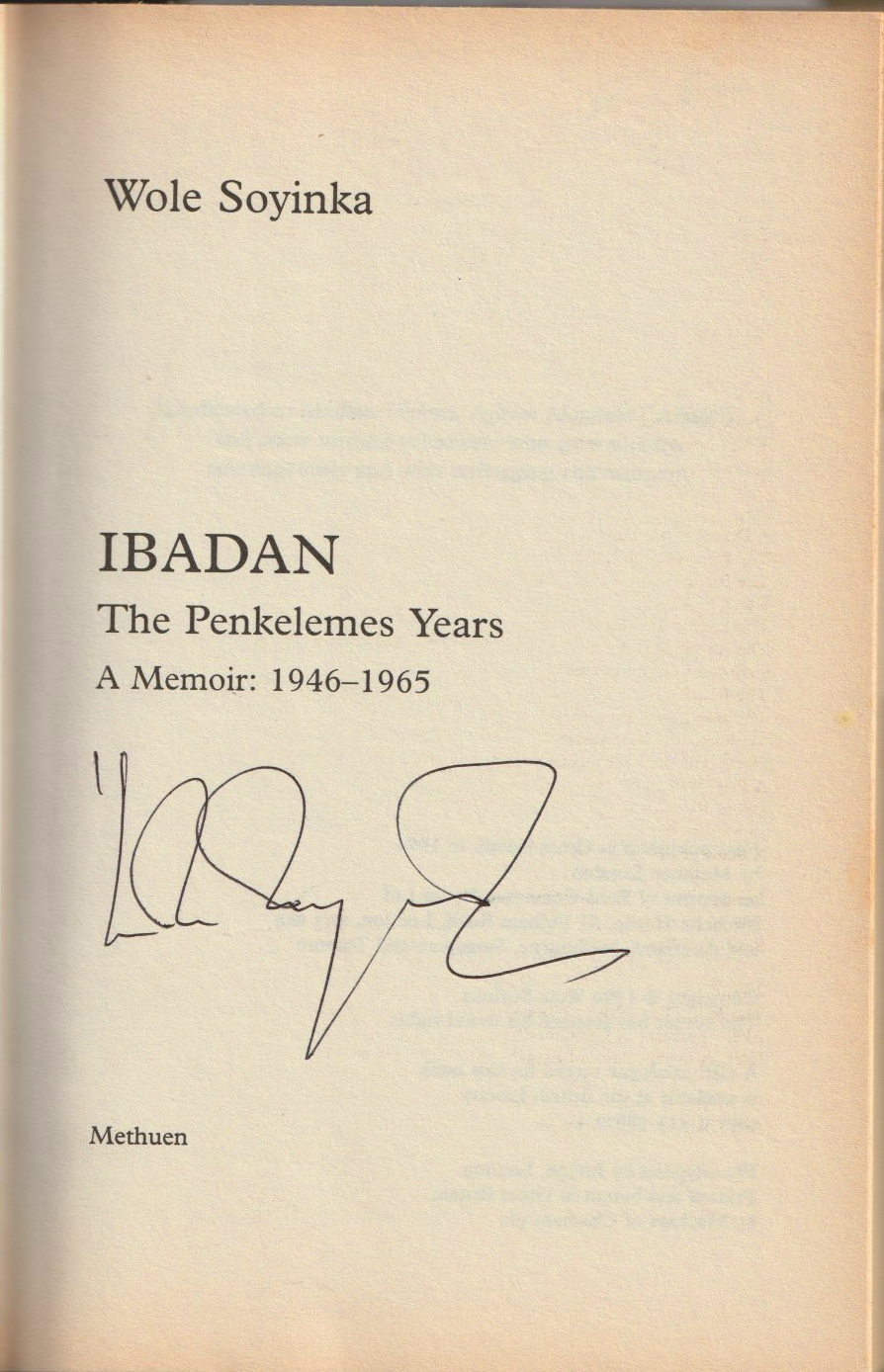
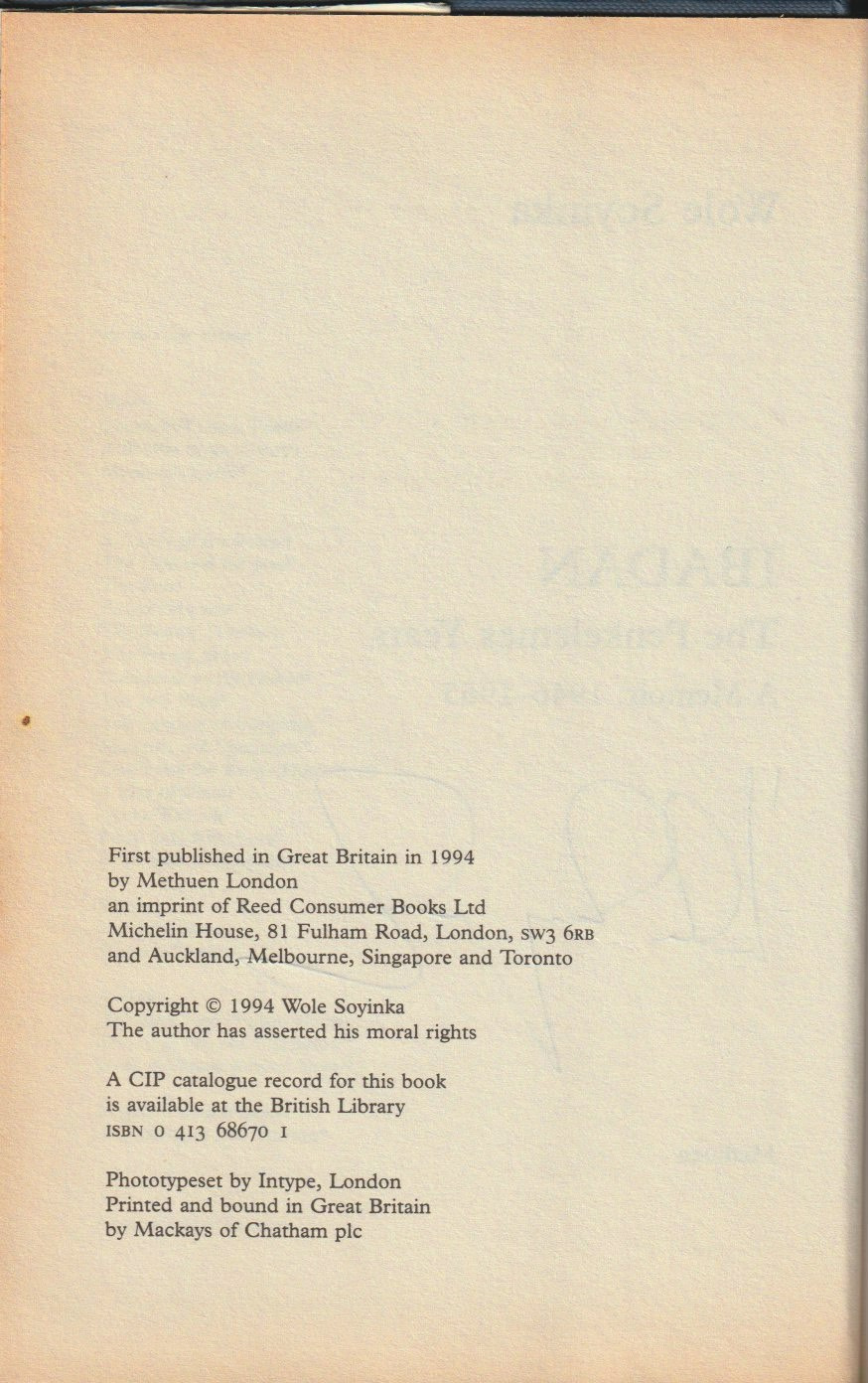
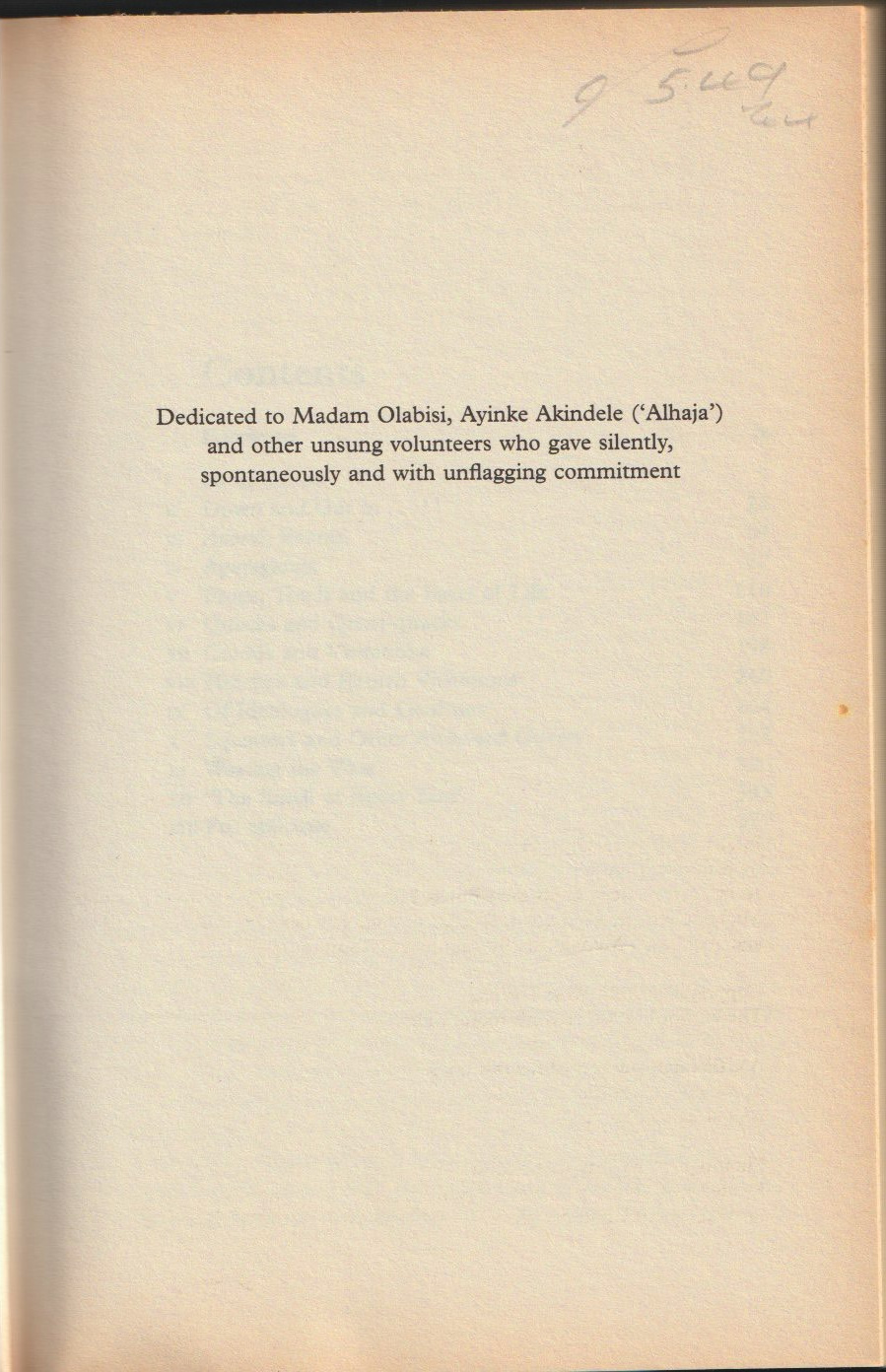
Published by Methuen London in 1994, phototypeset by Intype and printed by Mackays of Chatham. Dedicated to Madam Ọlábísí, Ayinke Akindele (‘Alhaja’) and other unsung volunteers “who gave silently, spontaneously and with unflagging commitment”.
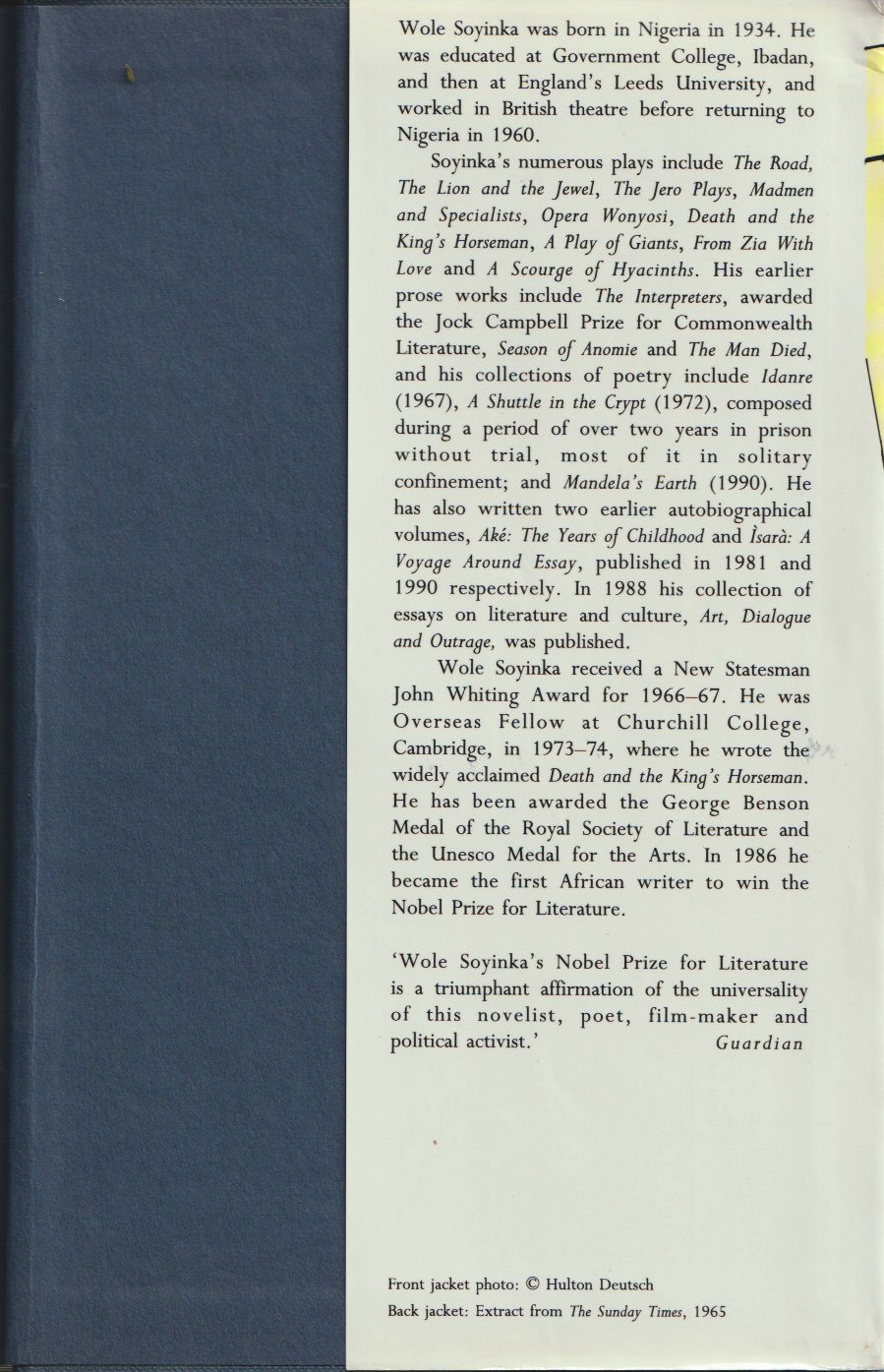
The photograph needs its credit. The cover photograph is the reason this book matters to this Library beyond its text, and the record is incomplete without knowing who took it and what it shows. If the jacket or the imprint page carries a photographer’s credit, it belongs here — on the same principle that put Bruce Onobrakpeya and Shyam Varma into this collection’s other records. An uncredited photograph that inspires a film is exactly the kind of loss a first edition exists to prevent.